Is the iPhone Duo Worth $2,000? What You Gain vs What You Lose
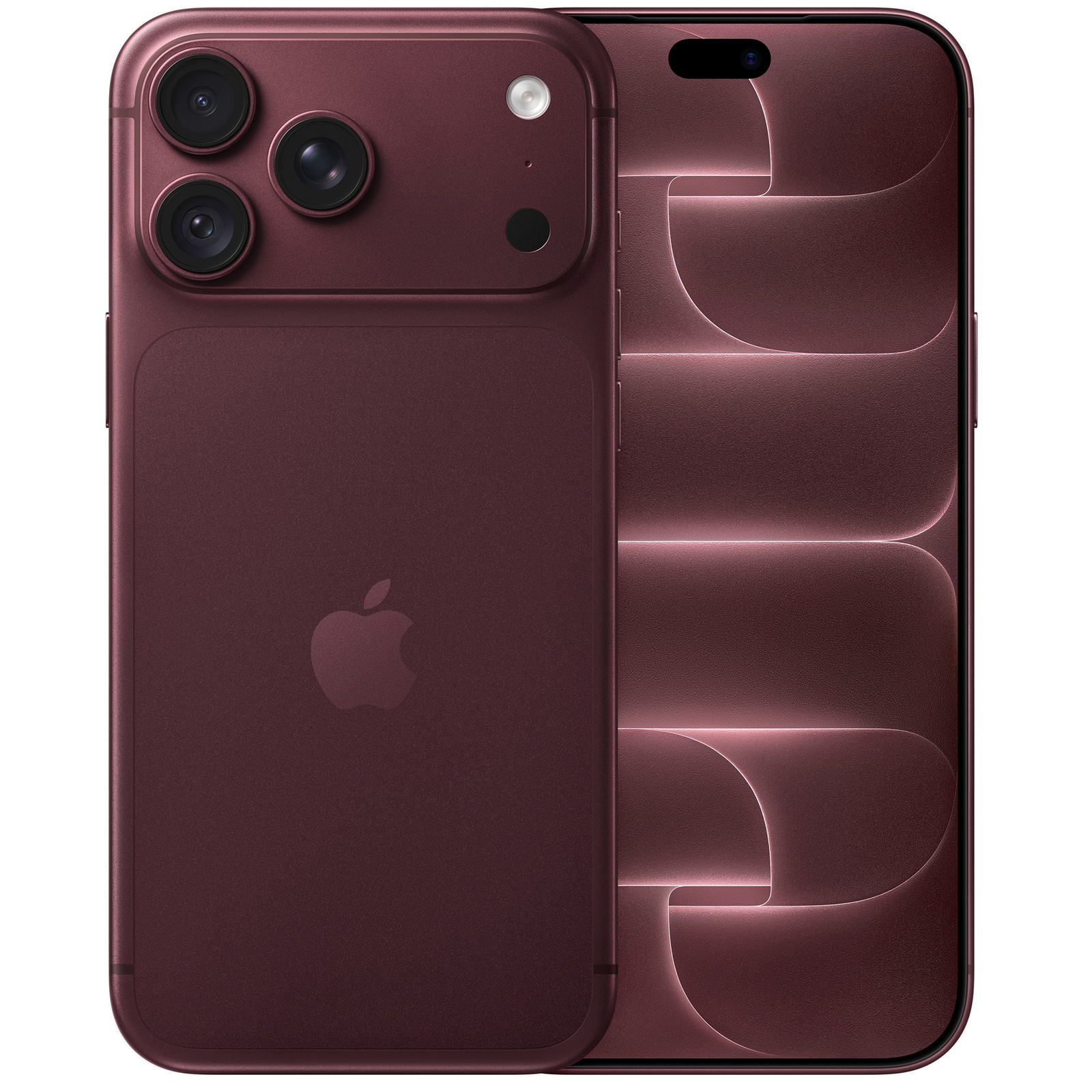
$700 more than the Pro Max. What you gain: a 7.6" 120Hz OLED in your pocket, the best foldable hinge ever made, IP68, and genuinely fun hardware.
What you lose: cameras (no telephoto, no ProRes), 20% of sustained gaming performance, Face ID, one-handed comfort, and 60% of your apps looking right. New to foldables? Buy the Pro Max. Know every trade-off in this guide and still want it? It's a blast — just wait for gen two if you want the polished version.
The price math
$2,000 starting — $700 more than the iPhone 18 Pro Max. In monthly terms, roughly $55 vs $35. Demand is real anyway: shipping slipped to late January within 30 minutes of pre-orders opening. The question isn't whether it sells — it's whether you should be the one buying.
The full ledger: gains vs losses
| You gain | You lose |
|---|---|
| 7.6" 120Hz OLED that fits in a pocket | $700 over the Pro Max |
| Best-in-class hinge (15–165° hold) | Cameras: smaller sensor, no telephoto, no ProRes/Log |
| Nano-texture display that hides the crease | 20% lower sustained gaming FPS, hotter, dimmer under load |
| IP68 on a foldable (rare) | Face ID → delayed side-button Touch ID |
| Genuinely fun hardware: tent mode, split-screen, spouse-mode camera | 60% of apps unoptimized; WeChat not yet adapted |
| Thicker, ~20% heavier; 50 two-handed open/close cycles a day |
Reviewers' summary of the pattern: the benefits are occasional, but the costs are constant. You enjoy the big screen maybe 25% of the time; you carry the weight, heat, and app jank 100% of the time.
Three types who should NOT buy it
1. The regular user. Texting, social media, some browsing — the Pro Max does all of it better, for $700 less.
2. The mobile filmmaker. No telephoto, no ProRes, no Log, weaker low light — the most expensive iPhone is not the best iPhone camera.
3. The drop-prone. More ways to break, more wear surfaces, hair in the hinge — if you break phones every nine months, this one will find new ways to disappoint you.
Who should buy it?
People for whom the $2,000 (or the $35→$55/month jump) doesn't matter much, who've read this entire guide and still want it. Reviewers agree: after the learning curve — getting used to no Face ID, the weight, the app gaps — it is a genuinely fun phone. The hinge, the animations, the inner display, the 'iPad mini in your pocket' feeling: the polish around the edges goes a long way.
One reviewer's frame: most first-gen products are a solid idea with rough edges that get fixed over time. The Duo is inverted — polished around the edges, rough at the core. If you buy gen one knowing that, you'll have a blast. If you want the amazing version, wait for gen two.
The philosophical verdict
The deepest cut came from the most technical review: foldables have two fundamental conflicts. First, the outer and inner screens are zero-sum — improve one and you hurt the other; you get a compromised phone outside and a cut-down tablet inside. Second, the benefits are occasional but the costs are constant.
Their closing line: maybe the point of folding was never to make phones better — maybe it was to make them more expensive. Eight years in, only 1 in 50 phones sold is a foldable. The Duo doesn't resolve that; it just makes the most polished case for it yet.
Known pain points
- The benefits are occasional but the costs are constant — you pay the weight, heat, and app-jank price every day for a big screen you use 25% of the time.
- It's a first-generation product with a polished surface and a rough core: thicker, heavier, buggier than the mature rivals Apple ignored for 8 years.
- The crease, the app gap, and the missing Face ID are all things you'll notice in week one — the 'fun' takes a learning curve to unlock.
Quick answers
How much more is the iPhone Duo than the Pro Max?
Who should NOT buy the iPhone Duo?
Who SHOULD buy the iPhone Duo?
📺 Review sources (4) — every number above comes from these hands-on tests
More DUO Lab tests
iPhone Duo Crease Test: 48μm to 167μm · iPhone Duo Gaming Test: 20% Lower FPS · iPhone Duo App Compatibility: 60% Not Optimized Yet