iPhone Duo Gaming Test: 20% Lower FPS Than 18 Pro on the Same Chip
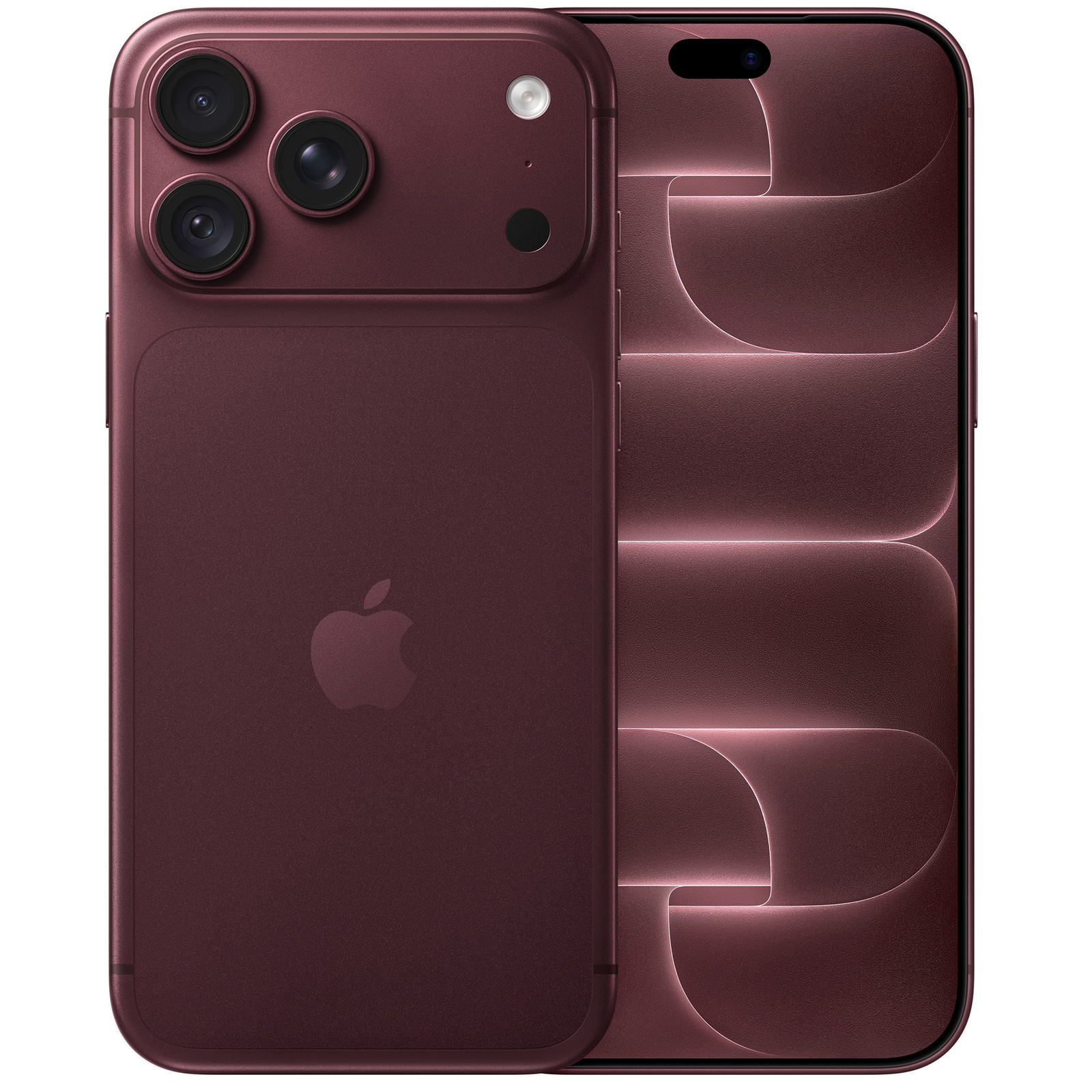
The iPhone Duo uses the exact same A20 Pro chip as the iPhone 18 Pro — but reviewers measured ~10% lower GPU scores, 20% lower sustained gaming frame rates (33fps vs 40fps+), peak skin temperature of 46.5°C, and brightness throttling down to 185 nits.
The cause is physics, not a defective unit: a foldable is two thin halves, heat can't cross the hinge, and the vapor chamber had to shrink. Casual gaming is fine; competitive or long sessions will throttle.
How big is the gaming performance gap, really?
Same chip, different phone. Measured over 30 minutes of Death Stranding:
| iPhone Duo | iPhone 18 Pro / Max | |
|---|---|---|
| Average FPS | 33 | 40+ |
| GPU benchmark | ~10% lower | baseline |
| Sustained brightness | 185 nits | 300 nits (Pro Max holds it) |
| Peak skin temp | 46.5°C | ~3°C cooler |
CPU scores sit within margin of error — it's the GPU and sustained loads where the Duo falls behind, exactly where games live.
Why does the same chip perform worse?
Three structural reasons, all confirmed by reviewers:
1. The vapor chamber shrank. Less internal space means the cooling plate only covers a small area around the chip.
2. Heat can't cross the hinge. A foldable is built like two separate phones — heat generated on one side has almost nowhere to go.
3. The 'display sandwich'. Mrwhosetheboss's thermal camera showed that when folded shut, heat gets trapped inside — less heat reaches the outer surface than on a Pro Max, which looks cooler but means the chip is stewing. 影视飓风 measured the flip side: unfolded gaming runs about 2°C hotter than folded, because the big inner display itself draws power.
How hot does it get in your hands?
Peak measured: 46.5–49°C depending on the test, roughly 3°C above the Pro models. But the number understates the feel: only one half contains the chip, so one side gets much hotter than the other — 影视飓风 notes the left-right delta is immediately obvious when holding it. One reviewer suspects Apple quietly trims performance via software to keep temperatures in check, since a system update noticeably improved thermals on the same hardware.
How fast does the screen dim under load?
Starting from 300 nits, only the Pro Max held full brightness through the 30-minute session. The regular Pro fell to 200 nits — and the Duo fell to 185 nits. In practice: start a demanding game outdoors and the screen gets visibly dimmer within minutes. This is thermal protection, not a bug, and it's the most noticeable real-world symptom of the cooling deficit.
So — can you game on the iPhone Duo?
Casual games: yes. Short sessions, lighter titles — the A20 Pro is still a monster chip and the big screen is genuinely fun.
Competitive or 30-minute-plus sessions: expect throttling. Lower frame rates, dimmer screen, hotter hands. If mobile gaming is your priority, reviewers are unanimous: the regular Pro models give you the same chip without the thermal penalty — for $700 less.
Known pain points
- You pay flagship money and get last-tier sustained performance — the same chip, throttled by thermals.
- Brightness collapses under load (300 → 185 nits), so outdoor gaming gets dim fast.
- One side of the phone has the chip and the other doesn't — the temperature difference across your hands is very noticeable.
Quick answers
Does the iPhone Duo overheat when gaming?
Why is the iPhone Duo slower than the 18 Pro with the same chip?
Does the iPhone Duo screen dim when hot?
📺 Review sources (3) — every number above comes from these hands-on tests
More DUO Lab tests
iPhone Duo Charging Test: 1h40m Open, 12 Minutes Slower Closed · Is the iPhone Duo Worth $2,000?