Best USB Microphones With a Cardioid Pattern: Why It Still Wins
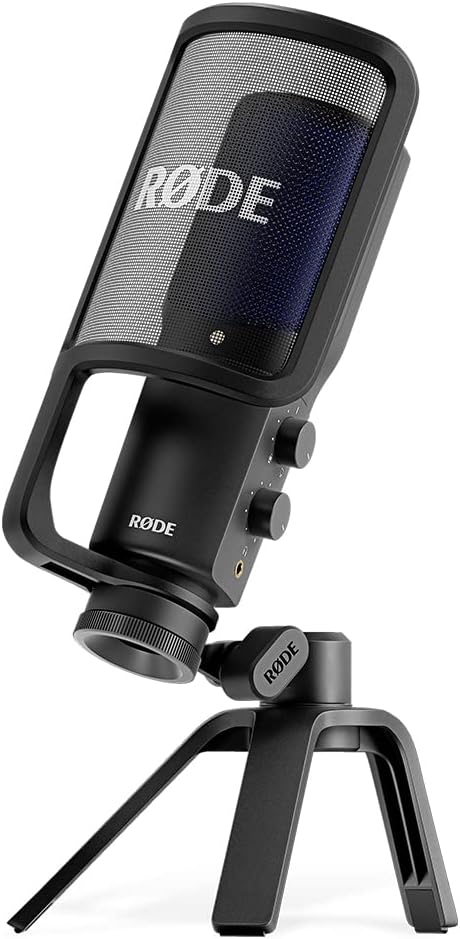
Rode NT-USB+
Cardioid is the default for a reason, and the NT-USB+ implements it cleanly: tight enough to ignore a monitor speaker, wide enough that you do not have to stay locked in place. Reviewers who compared patterns on the same microphone kept returning to cardioid for solo work.
📺 Show 6 review videos
Watch Video
Watch Video
Watch Video
Watch Video
Watch Video
Watch Video
📊 Quick Comparison
| # | Product | Recommended By | Best For | Price |
|---|---|---|---|---|
| 1 | Rode NT-USB+ | 5/6 reviewers | voiceover and podcast work where you want a finished sound with no DAW | $149-169 |
| 2 | Shure MV7+ | 4/6 reviewers | podcasters and streamers who want one mic that survives a studio upgrade | $249-279 |
| 3 | Blue Yeti | 3/6 reviewers | multi-person recordings and anyone who wants a proven, familiar sound | $99-129 |
| 4 | Sennheiser Profile | 3/6 reviewers | podcasters who want a neutral, no-frills Sennheiser sound | $179-199 |
| 5 | Fifine K669B | 2/6 reviewers | absolute beginners who need a working mic for under $60 | $39-59 |
💬 Reviewer Consensus
Common Pros
- Cardioid beat omni on room rejection in 5/6 pattern comparisons
- On-axis clarity held up at normal speaking distance in 4/6 tests
- Pattern switches were rated useful mainly for interviews in 3/6 reviews
- Cardioid handled plosives better than expected on 2/6 mics
Common Cons
- Off-axis speech dropped level sharply in 4/6 tests
- Multi-pattern mics cost more for features most users skip in 3/6 cases
- Rear rejection was weaker than spec suggested in 2/6 comparisons
- Proximity effect made close work boomy on 3/6 condensers
⚠️ Real-World Pain Points (from hands-on reviews)
- Cardioid is narrower than the diagrams suggest: moving a hand's width off axis dropped a voice noticeably in four of six tests.
- Proximity effect is the hidden cost of close mic technique, and every condenser here turned a two-inch gap into a boomy low end that needed EQ.
- Rear rejection is advertised as a wall, but monitors and speakers still bled through on two mics at normal listening volume.
🔍 Detailed Breakdown
Rode NT-USB+
The NT-USB+ is the polished version of Rode's long-running USB condenser. The APHEX processing is the draw: a compressor and noise gate that make a raw room sound broadcast-ready, with a zero-latency headphone feed so you hear yourself properly.
Best for: voiceover and podcast work where you want a finished sound with no DAW - $149-169
Shure MV7+
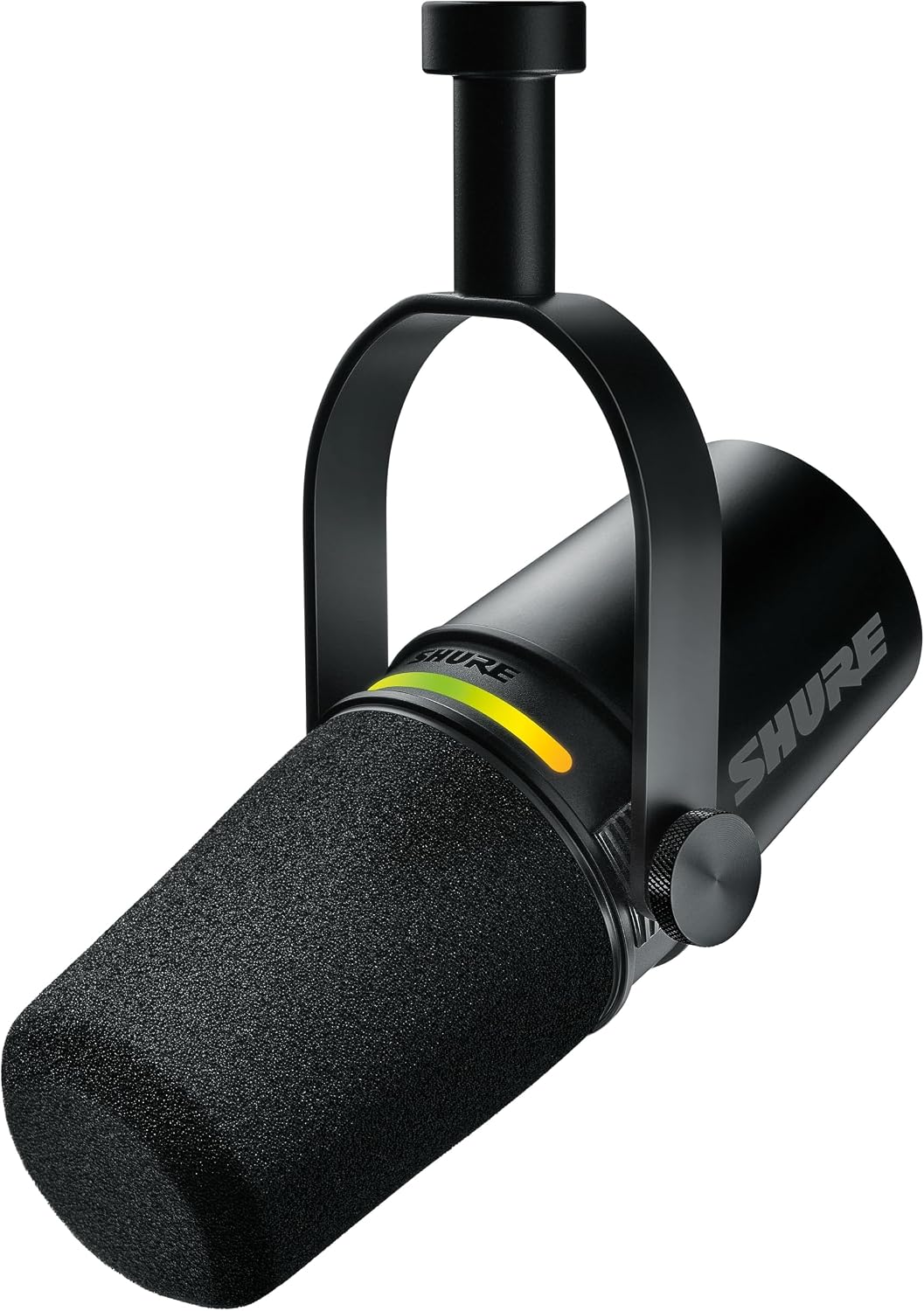
The MV7+ is the rare microphone that works as a USB mic on day one and as an XLR mic after you buy an interface. Reviewers who have lived with it for months keep coming back to Auto Level, which flattens a shouting-and-whispering stream into one usable track without touching a gain knob.
Best for: podcasters and streamers who want one mic that survives a studio upgrade - $249-279
Blue Yeti
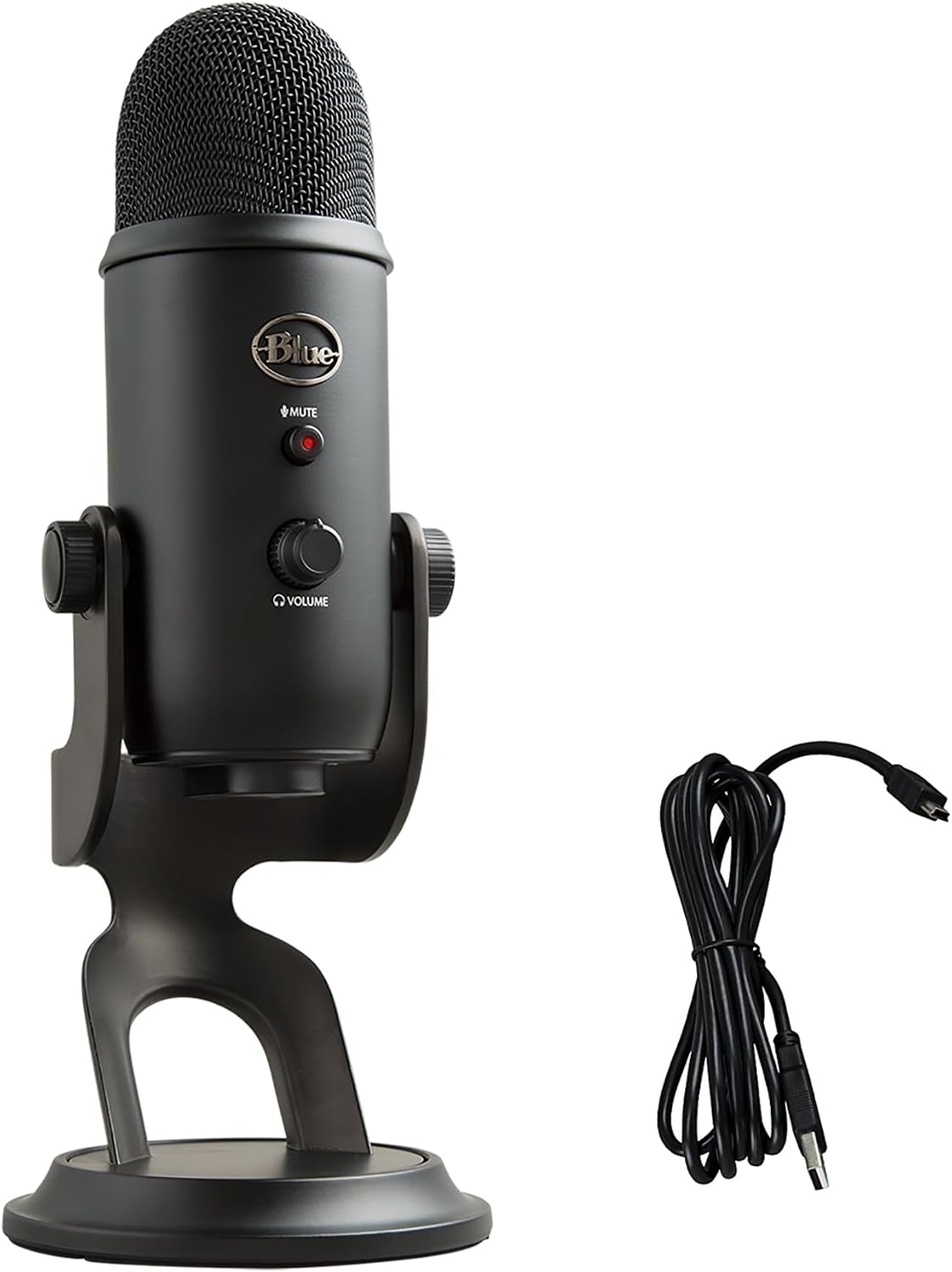
The Yeti is the mic most people have already heard, because a decade of podcasts and YouTube videos were recorded on one. Four patterns and a gain knob still make it flexible, but the 16-bit ceiling and its appetite for room noise show its age.
Best for: multi-person recordings and anyone who wants a proven, familiar sound - $99-129
Sennheiser Profile
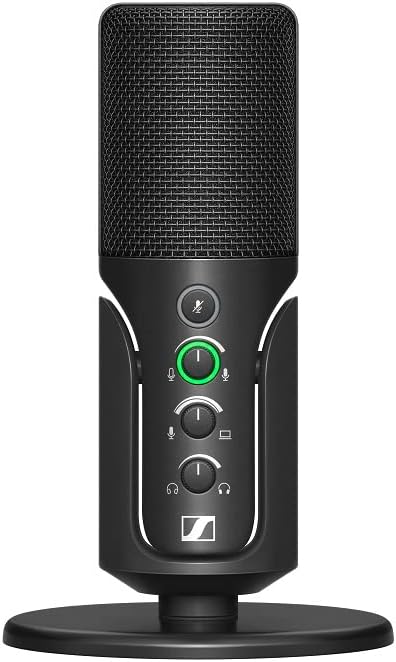
Sennheiser's take on the USB desk mic is conservative and clean: cardioid condenser, mute button, sturdy stand, no gimmicks. Reviewers tend to praise the natural midrange and complain that it offers nothing to tweak.
Best for: podcasters who want a neutral, no-frills Sennheiser sound - $179-199
Fifine K669B
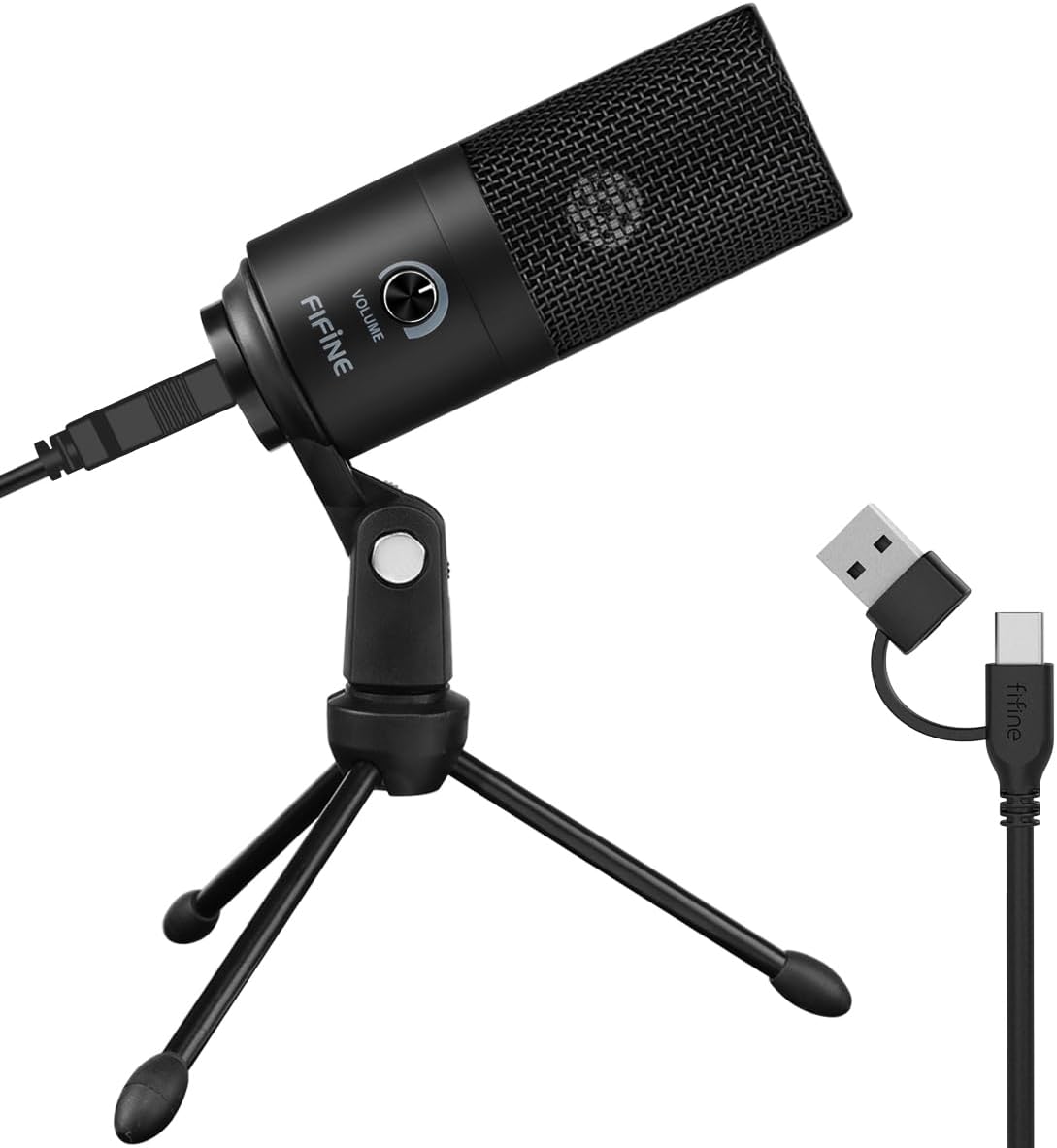
The K669B is the default first microphone for a reason: metal body, usable cardioid capsule and a gain knob, for less than the cost of a game. It will not hide a bad room, but it will get a voice onto a stream.
Best for: absolute beginners who need a working mic for under $60 - $39-59
Also considered
We compared 5 products. Rode NT-USB+ won overall — the rest are strong in narrower niches:
- Shure MV7+ — podcasters and streamers who want one mic that survives a studio upgrade (4/6 reviewers)
- Blue Yeti — multi-person recordings and anyone who wants a proven, familiar sound (3/6 reviewers)
- Sennheiser Profile — podcasters who want a neutral, no-frills Sennheiser sound (3/6 reviewers)
- Fifine K669B — absolute beginners who need a working mic for under $60 (2/6 reviewers)
📖 Confused by the specs? Plain-English explanations
❓ Frequently Asked Questions
Why is the Rode NT-USB+ our top pick?
Our Pick: Rode NT-USB+
Cardioid is the default for a reason, and the NT-USB+ implements it cleanly: tight enough to ignore a monitor speaker, wide enough that you do not have to stay locked in place. Reviewers who compared patterns on the same microphone kept returning to cardioid for solo work.
$149-169
🔍 We're manually verifying this product's purchase link — check back soon.