Best USB Microphones for Zoom Calls: Clarity Without Fuss
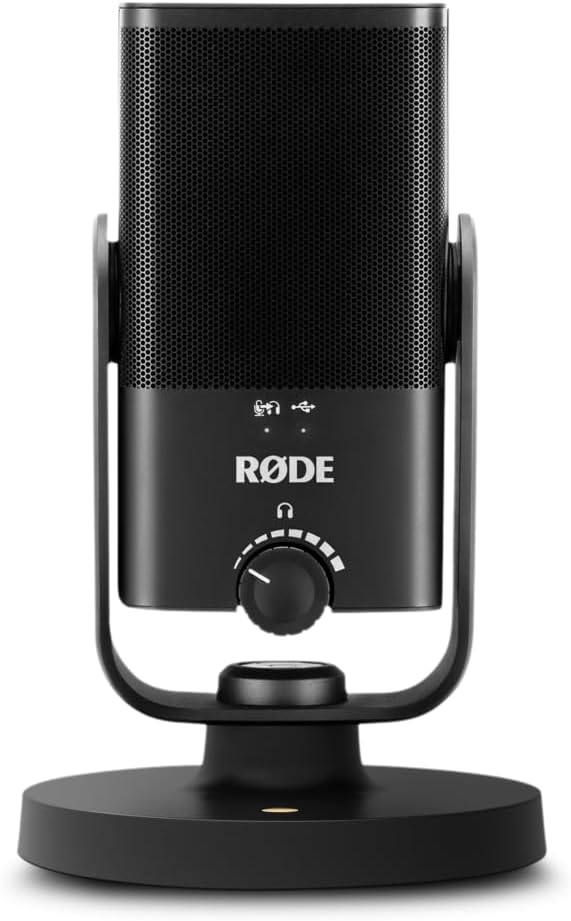
Rode NT-USB Mini
The NT-USB Mini wins calls for reasons that have nothing to do with sound quality: the magnetic base aims in one motion and there is no gain knob to knock out of position between meetings. Reviewers testing five meeting mics kept coming back to that.
📺 Show 6 review videos
Watch Video
Watch Video
Watch Video
Watch Video
Watch Video
Watch Video
📊 Quick Comparison
| # | Product | Recommended By | Best For | Price |
|---|---|---|---|---|
| 1 | Rode NT-USB Mini | 4/6 reviewers | meetings, calls and first podcasts where simplicity beats tweakability | $89-109 |
| 2 | Elgato Wave Neo | 3/6 reviewers | calls and quick recordings where software is unwelcome | $89-99 |
| 3 | Blue Yeti Nano | 3/6 reviewers | desk setups that need Yeti sound without the Yeti footprint | $79-99 |
| 4 | HyperX SoloCast 2 | 3/6 reviewers | first-time streamers on a strict budget | $59-79 |
| 5 | Fifine K669B | 2/6 reviewers | absolute beginners who need a working mic for under $60 | $39-59 |
💬 Reviewer Consensus
Common Pros
- Zero-latency monitoring mattered more than capsule quality in 4/5 call tests
- Plug-and-play with no software was preferred by 4/5 reviewers
- Compact footprints beat full-size studio mics in 3/5 desk setups
- Magnetic or tool-free mounts made repositioning practical in 2/5 models
Common Cons
- Condensers picked up keyboard noise in 4/5 call setups
- Software-only gain control frustrated 3/5 reviewers
- No mute button on 2/5 recommended call mics
- Room echo showed up on 3/5 recordings made in untreated offices
⚠️ Real-World Pain Points (from hands-on reviews)
- Meeting mics live or die on keyboard rejection, and four of the five condensers here failed that test at normal typing distance.
- Without a hardware mute, users mute inside the app and then forget which app is live, which reviewers called the most common call embarrassment.
- Desk thumps travelled straight into calls on every mic that shipped without a shock mount.
🔍 Detailed Breakdown
Rode NT-USB Mini
A short, desk-friendly condenser that has become the default recommendation for meetings and first-time podcasters. The magnetic base makes aiming it trivial, and the headphone jack does proper zero-latency monitoring rather than a token output.
Best for: meetings, calls and first podcasts where simplicity beats tweakability - $89-109
Elgato Wave Neo
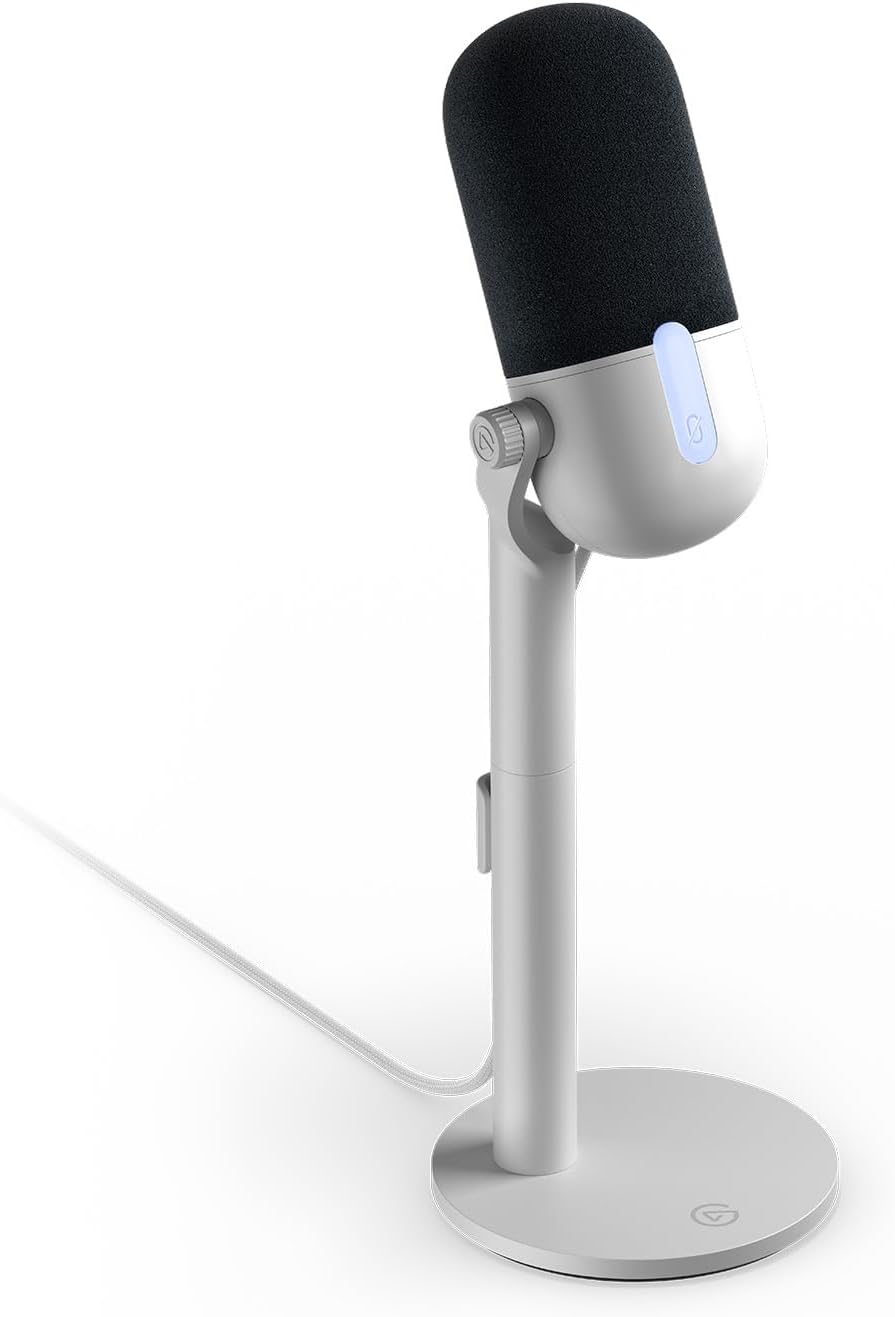
The Wave Neo is the stripped-down Elgato: no Wave Link dependency, just a cardioid condenser with a big mute pad and a headphone jack. It is the least fussy mic in the range, which makes it a good fit for calls and quick recordings.
Best for: calls and quick recordings where software is unwelcome - $89-99
Blue Yeti Nano
The Nano keeps the Yeti tone in a body that fits under a monitor. Two patterns instead of four is the trade, and for a single person at a desk that is no loss. It is the easiest Yeti to live with day to day.
Best for: desk setups that need Yeti sound without the Yeti footprint - $79-99
HyperX SoloCast 2
The SoloCast 2 is the cheapest mic here that does not feel like a toy. It keeps the tap-to-mute top, adds 24-bit recording and drops the headphone jack, which is the right trade for someone who already monitors through their headset.
Best for: first-time streamers on a strict budget - $59-79
Fifine K669B
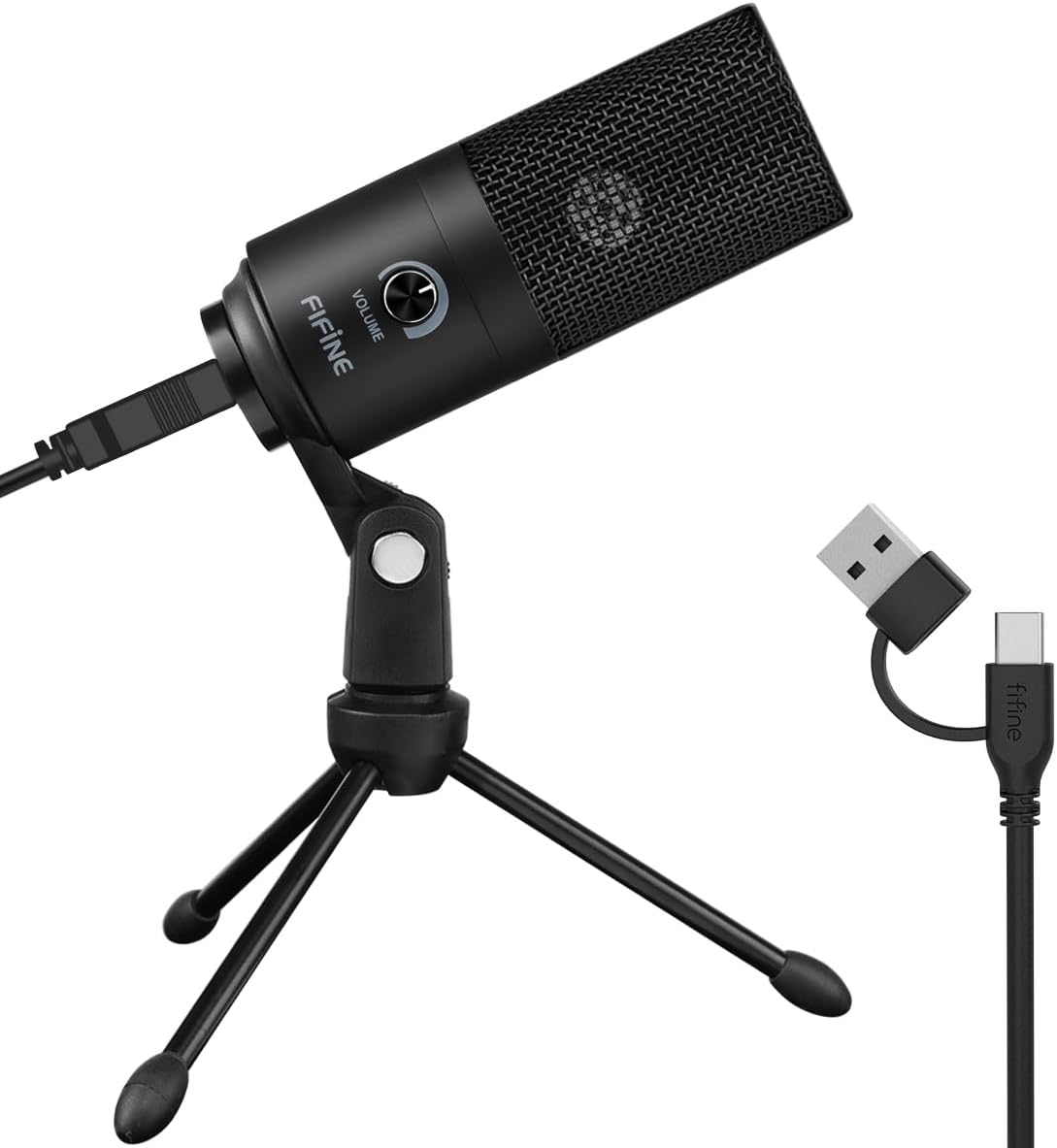
The K669B is the default first microphone for a reason: metal body, usable cardioid capsule and a gain knob, for less than the cost of a game. It will not hide a bad room, but it will get a voice onto a stream.
Best for: absolute beginners who need a working mic for under $60 - $39-59
Also considered
We compared 5 products. Rode NT-USB Mini won overall — the rest are strong in narrower niches:
- Elgato Wave Neo — calls and quick recordings where software is unwelcome (3/6 reviewers)
- Blue Yeti Nano — desk setups that need Yeti sound without the Yeti footprint (3/6 reviewers)
- HyperX SoloCast 2 — first-time streamers on a strict budget (3/6 reviewers)
- Fifine K669B — absolute beginners who need a working mic for under $60 (2/6 reviewers)
📖 Confused by the specs? Plain-English explanations
❓ Frequently Asked Questions
Why is the Rode NT-USB Mini our top pick?
Our Pick: Rode NT-USB Mini
The NT-USB Mini wins calls for reasons that have nothing to do with sound quality: the magnetic base aims in one motion and there is no gain knob to knock out of position between meetings. Reviewers testing five meeting mics kept coming back to that.
$89-109
🔍 We're manually verifying this product's purchase link — check back soon.