Best USB Microphones for Singing: Headroom Beats Features
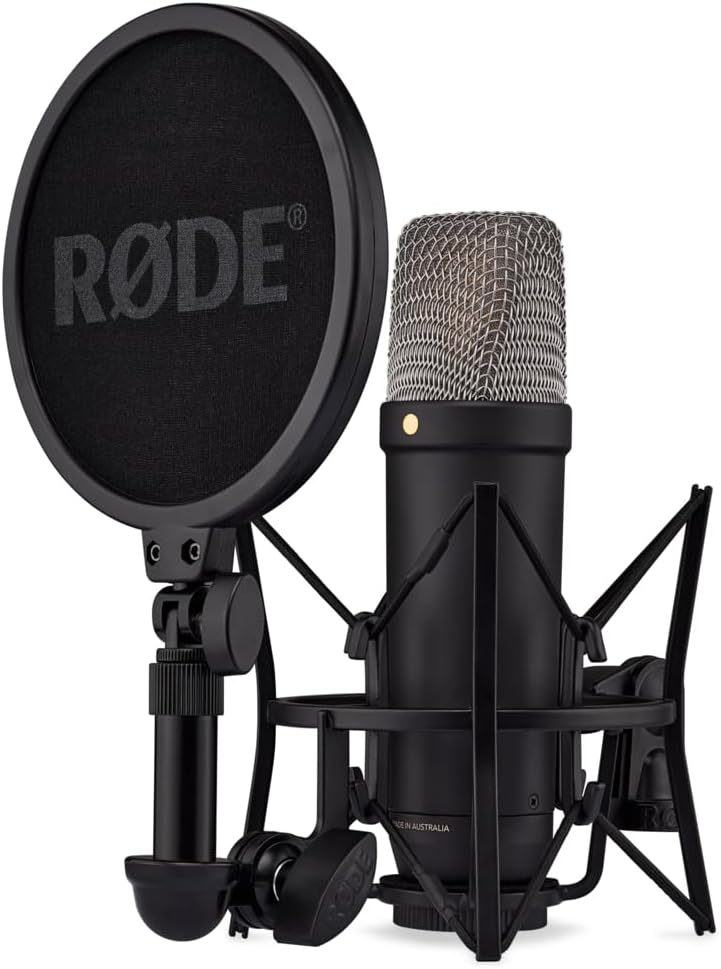
Rode NT1 5th Gen
Singing exposes headroom problems that speech never does. The NT1's 32-bit float USB recording lets a loud chorus clip without destroying the take, and its low self-noise keeps quiet verses clean, which are the two things reviewers test first on a vocal mic.
📺 Show 6 review videos
Watch Video
Watch Video
Watch Video
Watch Video
Watch Video
Watch Video
📊 Quick Comparison
| # | Product | Recommended By | Best For | Price |
|---|---|---|---|---|
| 1 | Rode NT1 5th Gen | 5/6 reviewers | singers and voice actors who want studio detail with a clip-proof recording | $229-259 |
| 2 | Blue Yeti | 4/6 reviewers | multi-person recordings and anyone who wants a proven, familiar sound | $99-129 |
| 3 | Rode NT-USB+ | 4/6 reviewers | voiceover and podcast work where you want a finished sound with no DAW | $149-169 |
| 4 | Shure MV7+ | 3/6 reviewers | podcasters and streamers who want one mic that survives a studio upgrade | $249-279 |
| 5 | Audio-Technica AT2040USB | 3/6 reviewers | untreated rooms and noisy desks that need tight rejection | $169-199 |
💬 Reviewer Consensus
Common Pros
- Low self-noise mattered most on quiet verses in 5/6 vocal tests
- 32-bit float rescued clipped takes in 2/6 comparisons
- Multi-pattern options helped capture harmonies in 2/6 setups
- Zero-latency monitoring was rated essential by 4/6 singers
Common Cons
- Condensers captured room echo on loud passages in 4/6 tests
- USB mics limited mic placement compared with XLR in 3/6 reviews
- 16-bit models clipped earlier in 2/6 comparisons
- DSP presets added artefacts to sustained notes in 2/6 cases
⚠️ Real-World Pain Points (from hands-on reviews)
- Loud choruses are where USB mics fail: 16-bit models clipped before the singer reached full volume in two of six tests.
- Condensers hear the room, and every untreated space here turned sustained notes into something boxy that no EQ fully fixed.
- Monitoring through the mic's own jack means you hear yourself late enough to oversing, a complaint that pushed two reviewers to an interface.
🔍 Detailed Breakdown
Rode NT1 5th Gen
The NT1 5th Gen is a studio condenser with a USB port bolted on, and the 32-bit float recording is the headline: you can set gain badly and still rescue the take. It is the most forgiving mic here for loud singers who refuse to watch a meter.
Best for: singers and voice actors who want studio detail with a clip-proof recording - $229-259
Blue Yeti
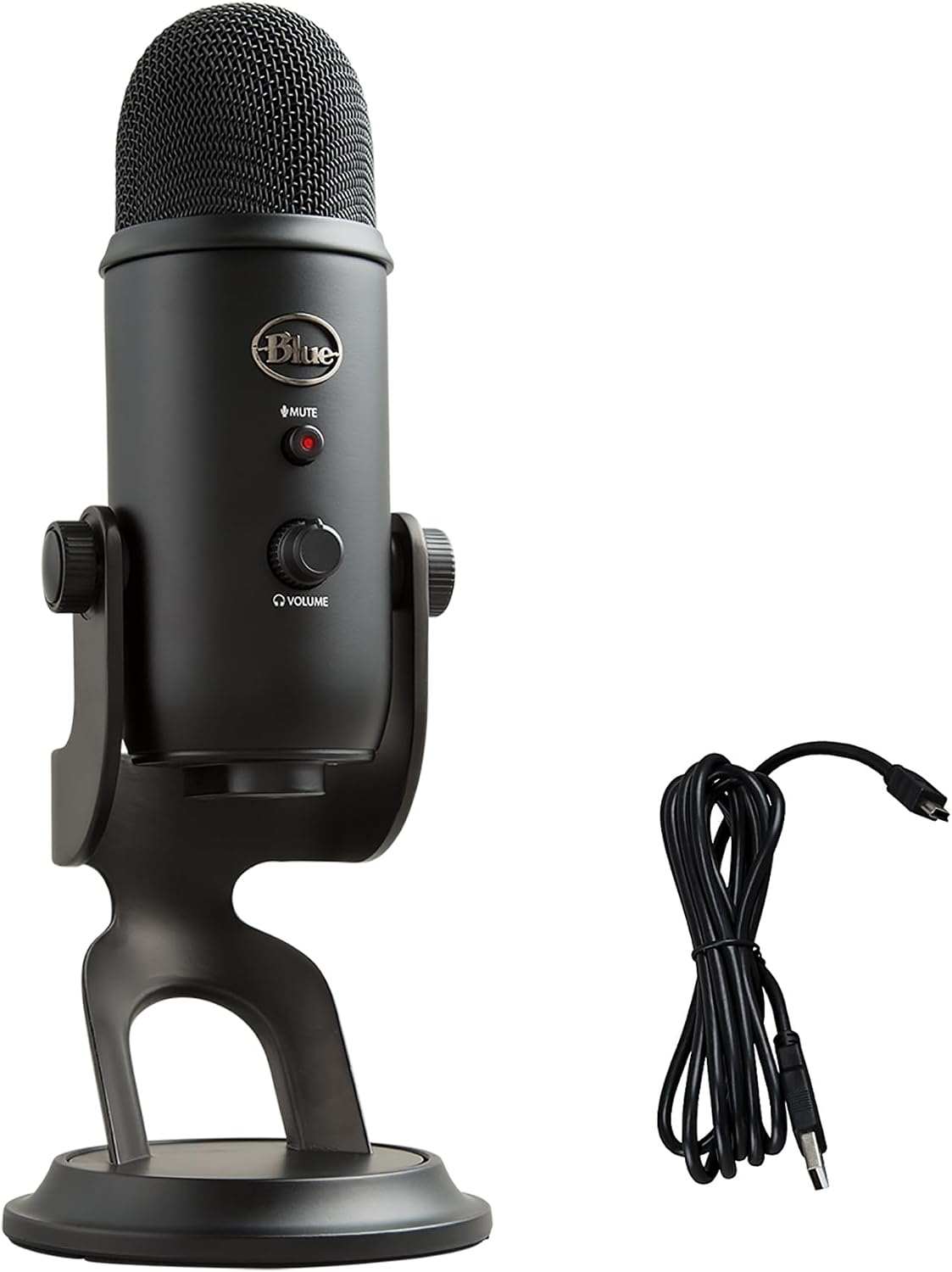
The Yeti is the mic most people have already heard, because a decade of podcasts and YouTube videos were recorded on one. Four patterns and a gain knob still make it flexible, but the 16-bit ceiling and its appetite for room noise show its age.
Best for: multi-person recordings and anyone who wants a proven, familiar sound - $99-129
Rode NT-USB+
The NT-USB+ is the polished version of Rode's long-running USB condenser. The APHEX processing is the draw: a compressor and noise gate that make a raw room sound broadcast-ready, with a zero-latency headphone feed so you hear yourself properly.
Best for: voiceover and podcast work where you want a finished sound with no DAW - $149-169
Shure MV7+
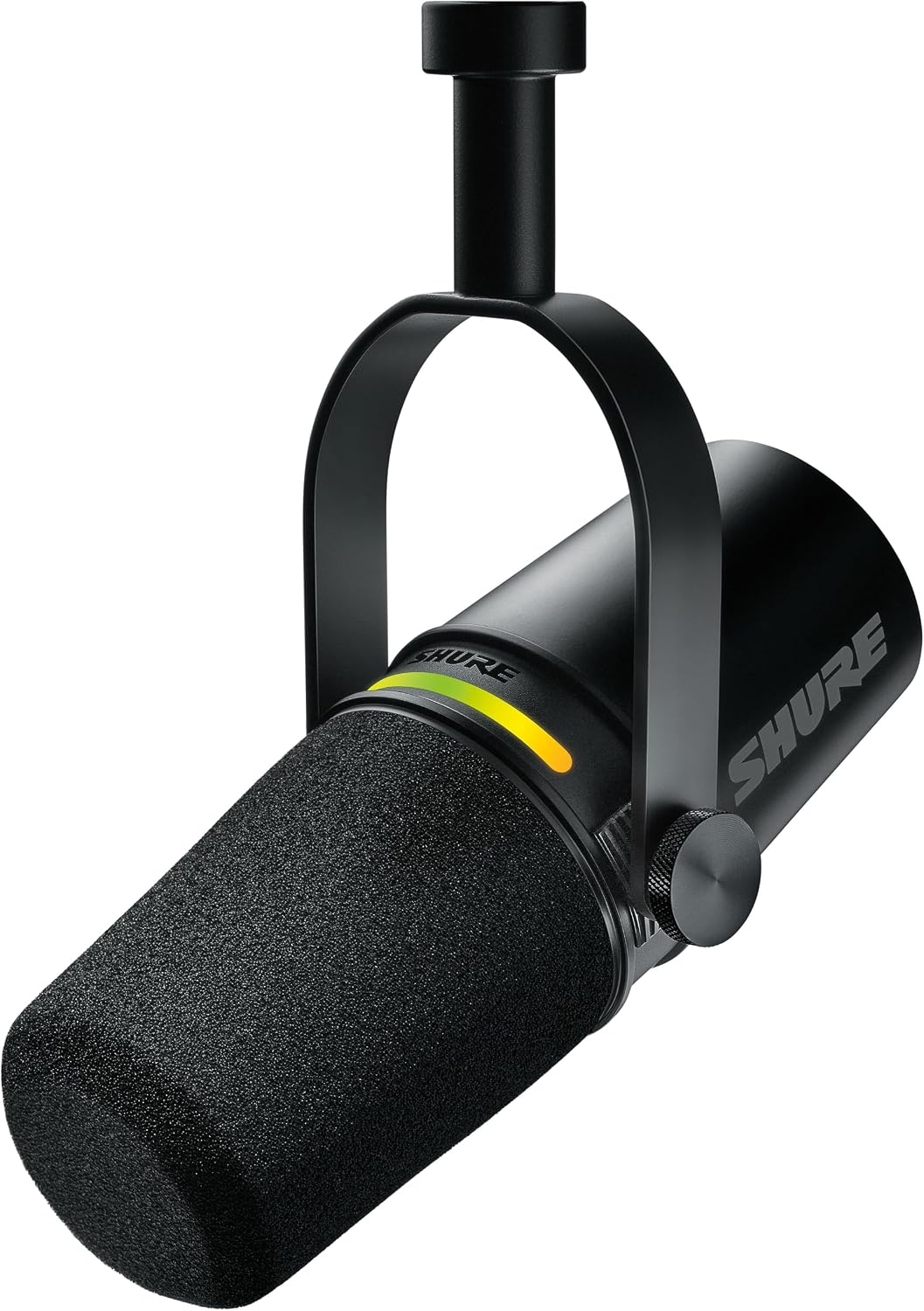
The MV7+ is the rare microphone that works as a USB mic on day one and as an XLR mic after you buy an interface. Reviewers who have lived with it for months keep coming back to Auto Level, which flattens a shouting-and-whispering stream into one usable track without touching a gain knob.
Best for: podcasters and streamers who want one mic that survives a studio upgrade - $249-279
Audio-Technica AT2040USB
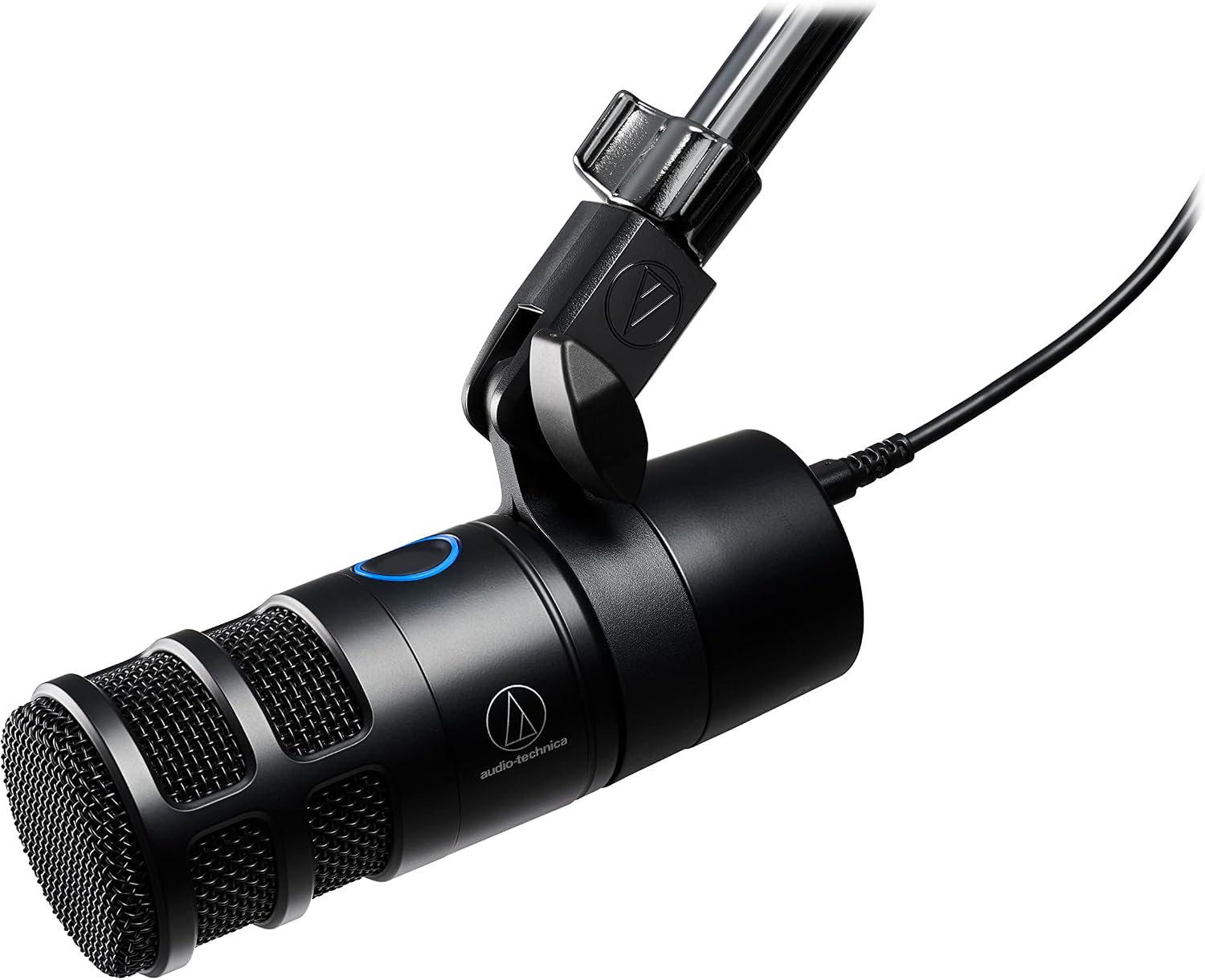
A hypercardioid dynamic in a podcast-shaped body, with USB added for people who do not own an interface. The tight pattern is the selling point: it rejects the room and the keyboard, so it works in spaces where a condenser would be a liability.
Best for: untreated rooms and noisy desks that need tight rejection - $169-199
Also considered
We compared 5 products. Rode NT1 5th Gen won overall — the rest are strong in narrower niches:
- Blue Yeti — multi-person recordings and anyone who wants a proven, familiar sound (4/6 reviewers)
- Rode NT-USB+ — voiceover and podcast work where you want a finished sound with no DAW (4/6 reviewers)
- Shure MV7+ — podcasters and streamers who want one mic that survives a studio upgrade (3/6 reviewers)
- Audio-Technica AT2040USB — untreated rooms and noisy desks that need tight rejection (3/6 reviewers)
📖 Confused by the specs? Plain-English explanations
❓ Frequently Asked Questions
Why is the Rode NT1 5th Gen our top pick?
Our Pick: Rode NT1 5th Gen
Singing exposes headroom problems that speech never does. The NT1's 32-bit float USB recording lets a loud chorus clip without destroying the take, and its low self-noise keeps quiet verses clean, which are the two things reviewers test first on a vocal mic.
$229-259
🔍 We're manually verifying this product's purchase link — check back soon.