Best USB Microphones for Podcasters: Consistency Wins
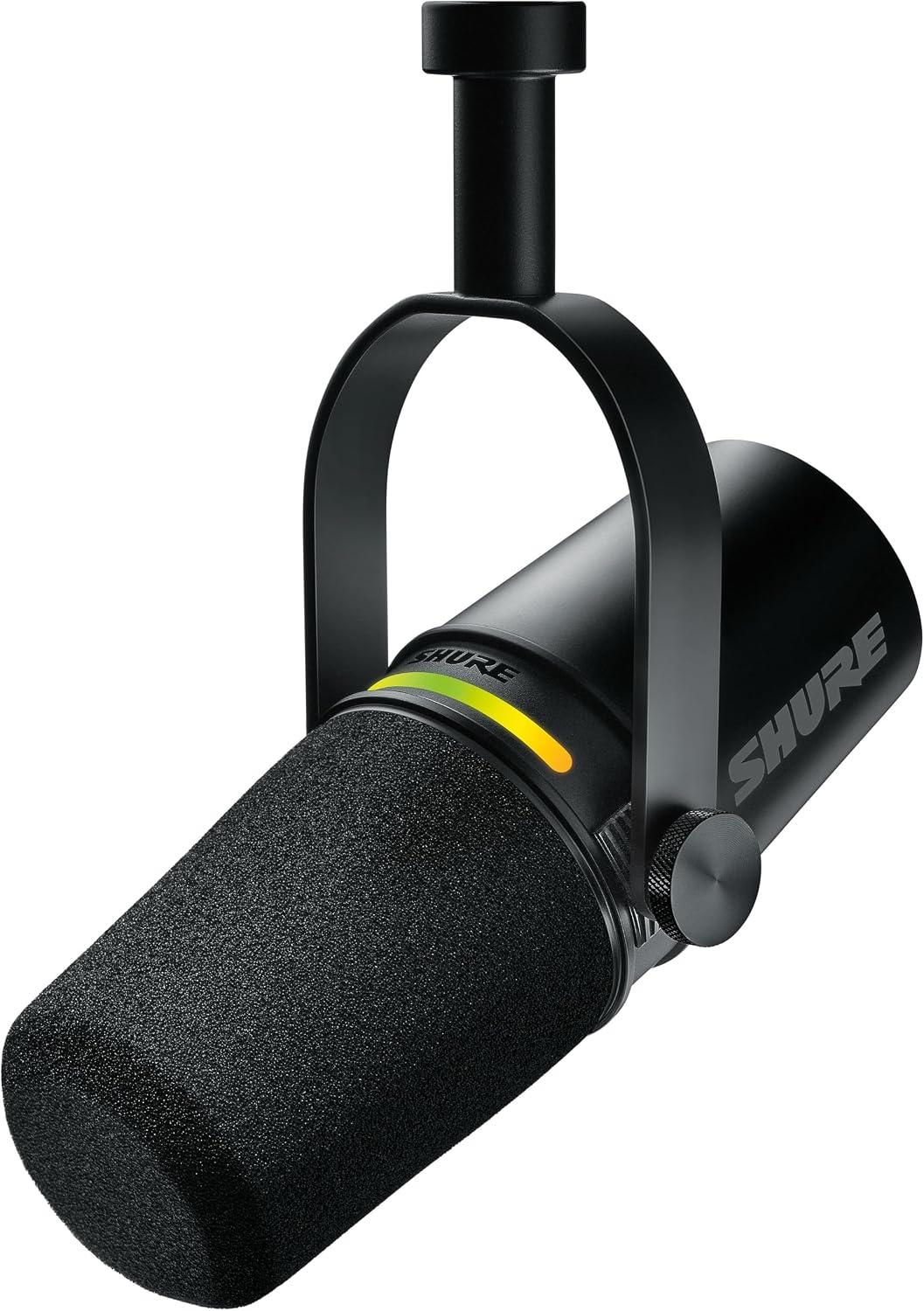
Shure MV7+
For people who record weekly, the MV7+ wins on repeatability: the same settings, the same level, no re-tuning when a guest arrives. Reviewers who host regularly rate that consistency above the extra detail a condenser gives, because a missed level ruins an episode you cannot re-record.
📺 Show 6 review videos
Watch Video
Watch Video
Watch Video
Watch Video
Watch Video
Watch Video
📊 Quick Comparison
| # | Product | Recommended By | Best For | Price |
|---|---|---|---|---|
| 1 | Shure MV7+ | 5/6 reviewers | podcasters and streamers who want one mic that survives a studio upgrade | $249-279 |
| 2 | Shure MV6 | 4/6 reviewers | gamers and call-heavy desks that need a dynamic mic without an interface | $129-149 |
| 3 | Audio-Technica AT2040USB | 4/6 reviewers | untreated rooms and noisy desks that need tight rejection | $169-199 |
| 4 | Maono PD100X | 3/6 reviewers | budget podcasters who want a dynamic sound and a future XLR path | $59-79 |
| 5 | Rode NT-USB+ | 3/6 reviewers | voiceover and podcast work where you want a finished sound with no DAW | $149-169 |
💬 Reviewer Consensus
Common Pros
- Dynamic capsules rejected room noise in 5/6 host setups
- USB and XLR dual output gave an upgrade path in 4/6 reviews
- Hardware mute prevented hot-mic mistakes in 3/6 tests
- Headphone monitoring with mix control shipped on 4/6 picks
Common Cons
- Close mic technique was mandatory on dynamics in 4/6 reviews
- Heavy bodies needed sturdier arms in 3/6 setups
- DSP presets sounded processed on speech in 2/6 tests
- No onboard recording meant a dropped USB cable ended the take in 2/6 cases
⚠️ Real-World Pain Points (from hands-on reviews)
- Weekly shows live or die on setup time, and three reviewers said the software step between opening the app and recording was their main source of missed starts.
- Guest episodes expose how narrow a cardioid really is: a second person leaning in drops level audibly unless you re-aim the mic mid-sentence.
- Dynamics need close work, and hosts who lean back in their chair end up sounding distant on the very episodes they care most about.
🔍 Detailed Breakdown
Shure MV7+
The MV7+ is the rare microphone that works as a USB mic on day one and as an XLR mic after you buy an interface. Reviewers who have lived with it for months keep coming back to Auto Level, which flattens a shouting-and-whispering stream into one usable track without touching a gain knob.
Best for: podcasters and streamers who want one mic that survives a studio upgrade - $249-279
Shure MV6
Shure stripped the MV7 down to a USB-only dynamic mic and kept the parts gamers actually use: Auto Level, a digital popper stopper and voice isolation. It rejects keyboard clatter well because it is a dynamic capsule, not a condenser in a plastic shell.
Best for: gamers and call-heavy desks that need a dynamic mic without an interface - $129-149
Audio-Technica AT2040USB
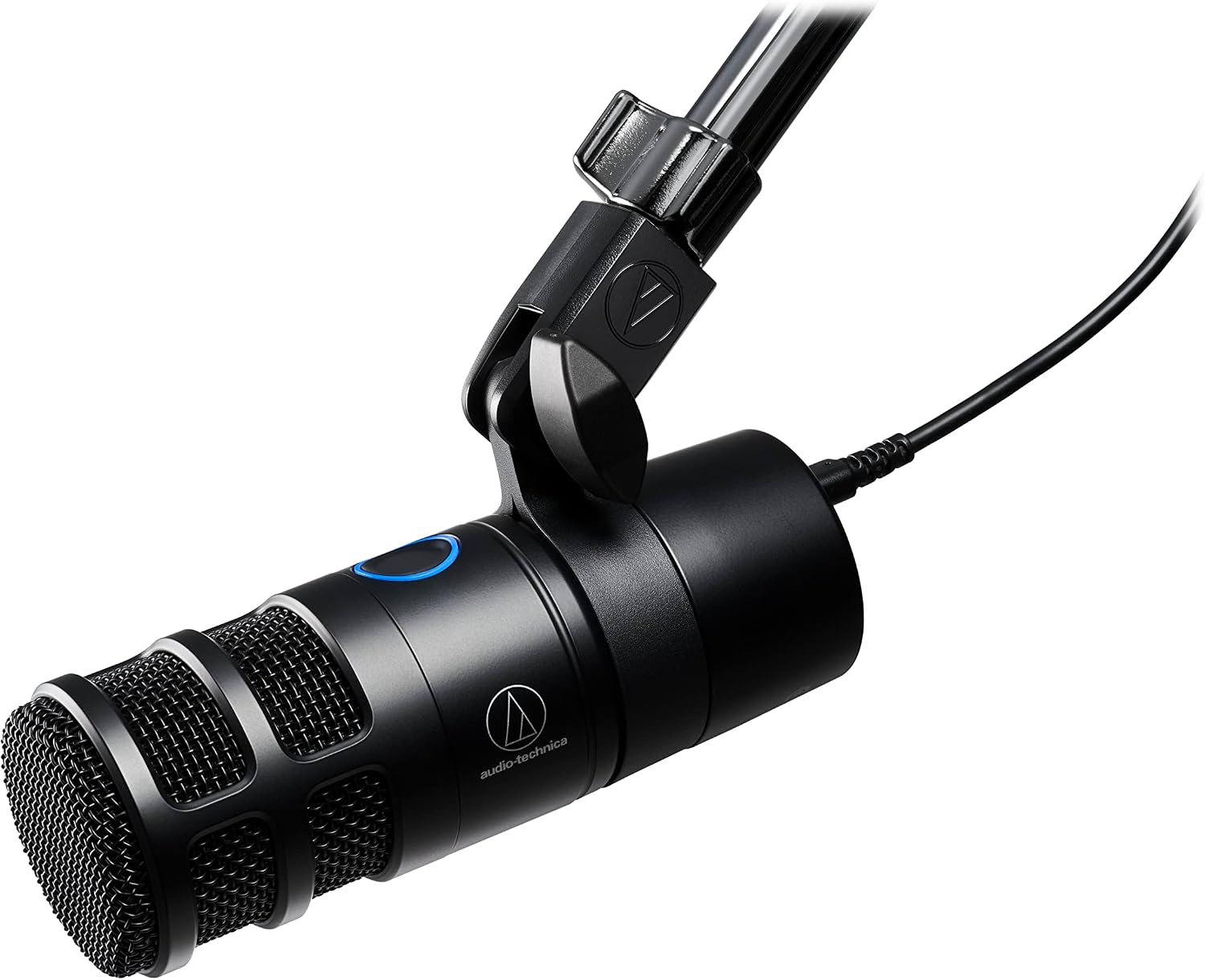
A hypercardioid dynamic in a podcast-shaped body, with USB added for people who do not own an interface. The tight pattern is the selling point: it rejects the room and the keyboard, so it works in spaces where a condenser would be a liability.
Best for: untreated rooms and noisy desks that need tight rejection - $169-199
Maono PD100X
A dynamic podcast mic with both USB and XLR for under $80, which is a combination that barely existed two years ago. It sounds closer to a broadcast dynamic than its price suggests, provided you speak into it from a few inches away.
Best for: budget podcasters who want a dynamic sound and a future XLR path - $59-79
Rode NT-USB+
The NT-USB+ is the polished version of Rode's long-running USB condenser. The APHEX processing is the draw: a compressor and noise gate that make a raw room sound broadcast-ready, with a zero-latency headphone feed so you hear yourself properly.
Best for: voiceover and podcast work where you want a finished sound with no DAW - $149-169
Also considered
We compared 5 products. Shure MV7+ won overall — the rest are strong in narrower niches:
- Shure MV6 — gamers and call-heavy desks that need a dynamic mic without an interface (4/6 reviewers)
- Audio-Technica AT2040USB — untreated rooms and noisy desks that need tight rejection (4/6 reviewers)
- Maono PD100X — budget podcasters who want a dynamic sound and a future XLR path (3/6 reviewers)
- Rode NT-USB+ — voiceover and podcast work where you want a finished sound with no DAW (3/6 reviewers)
📖 Confused by the specs? Plain-English explanations
❓ Frequently Asked Questions
Why is the Shure MV7+ our top pick?
Our Pick: Shure MV7+
For people who record weekly, the MV7+ wins on repeatability: the same settings, the same level, no re-tuning when a guest arrives. Reviewers who host regularly rate that consistency above the extra detail a condenser gives, because a missed level ruins an episode you cannot re-record.
$249-279
🔍 We're manually verifying this product's purchase link — check back soon.