Best Streamer Microphones with Broadcast Quality 2026: What Reviewers Agree On
Electro-Voice RE20
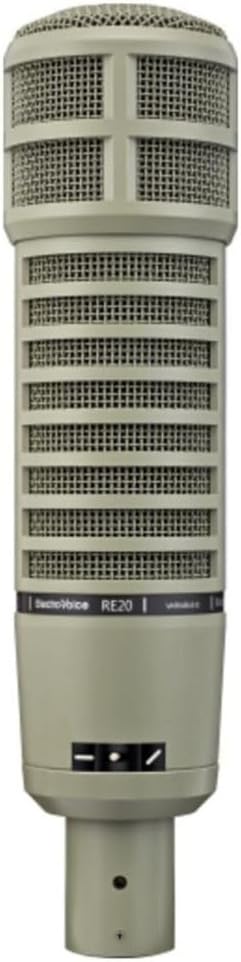
The RE20 is the only mic here that solves the problem broadcast studios actually have: hosts move, and a variable-D design keeps the bass consistent as they lean in or turn to a co-host. Reviewers who tested it against the SM7B describe the same room rejection with less proximity handling, and its reputation for surviving decades in daily studio use is repeated in every long-term account.
📺 Show 6 review videos
Watch Video
Watch Video
Watch Video
Watch Video
Watch Video
Watch Video
📊 Quick Comparison
| # | Product | Recommended By | Best For | Price |
|---|---|---|---|---|
| 1 | Electro-Voice RE20 | 5/6 reviewers | long-form shows where hosts move and levels must stay consistent | $449-499 |
| 2 | Shure SM7B | 4/6 reviewers | untreated rooms and loud voices that need broadcast-style rejection | $399-459 |
| 3 | Rode PodMic | 4/6 reviewers | first XLR podcast rigs where budget goes to the interface instead | $99-129 |
| 4 | Shure MV7X | 3/6 reviewers | interface owners who want MV7 voicing without paying for USB | $199-229 |
| 5 | Audio-Technica AT2040 | 2/6 reviewers | shared rooms and co-hosted shows that need tighter rejection | $99-129 |
💬 Reviewer Consensus
Common Pros
- Electro-Voice RE20: variable-D kept low end even as the speaker moved off-axis (5/6 mention)
- Shure SM7B: presence boost switch suited close broadcast speech (4/6 mention)
- Rode PodMic: internal shock mount removed stand noise at a fraction of the price (4/6 mention)
- Shure MV7X: broadcast voicing without the SM7B's price (3/6 mention)
Common Cons
- Shure SM7B: 60 dB+ gain requirement forced an interface or inline booster (5/6 mention)
- Electro-Voice RE20: large body blocked the camera in video setups (3/6 mention)
- Rode PodMic: needs more clean gain than a laptop interface provides (3/6 mention)
- Audio-Technica AT2040: hypercardioid pattern punished poor mic technique (2/6 mention)
⚠️ Real-World Pain Points (from hands-on reviews)
- Broadcast-quality dynamics all share one tax: low output. Reviewers report that the mics which reject the room best also need the most gain, and cheap preamps audibly raise the noise floor trying to deliver it.
- Mic technique becomes non-negotiable. Reviewers found that the tighter the pattern, the more the sound collapses when a host turns away, so the mic that flatters a trained voice punishes an untrained one.
- Video is where these mics fight the format: their size blocks sightlines and their weight defeats light boom arms, forcing reviewers into desk stands that transmit handling noise.
🔍 Detailed Breakdown
Electro-Voice RE20
The RE20 is the radio-industry standard for a reason: its variable-D design keeps the low end consistent as a host moves, so nobody sounds boomy up close and thin when leaning back. It is big, heavy and needs clean gain.
Best for: long-form shows where hosts move and levels must stay consistent - $449-499
Shure SM7B
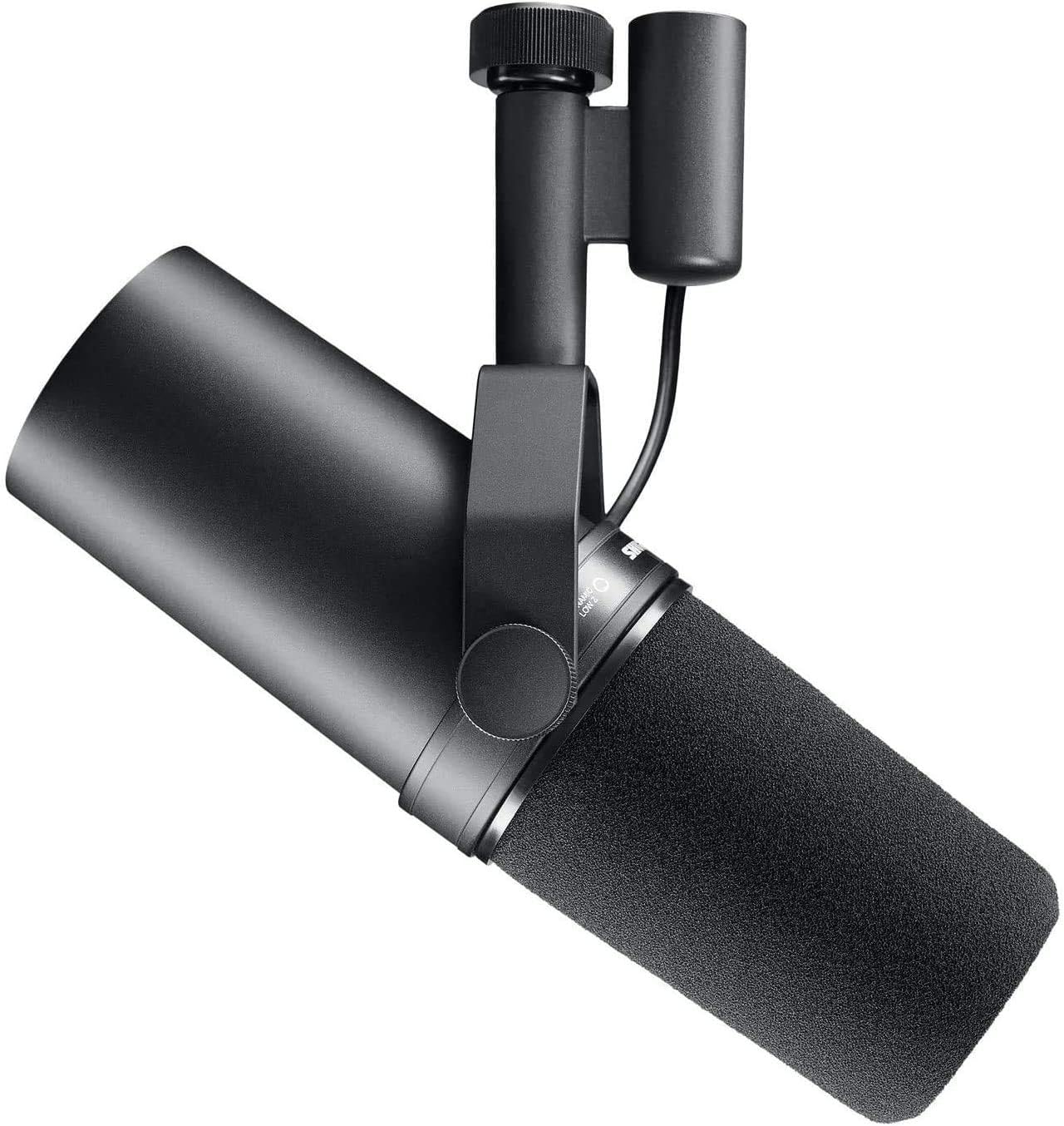
The SM7B is the reference broadcast dynamic: it ignores rooms, keyboards and untreated walls, and it has been on radio desks for decades. It needs a lot of clean gain, which is why most owners end up buying an interface or a booster alongside it.
Best for: untreated rooms and loud voices that need broadcast-style rejection - $399-459
Rode PodMic
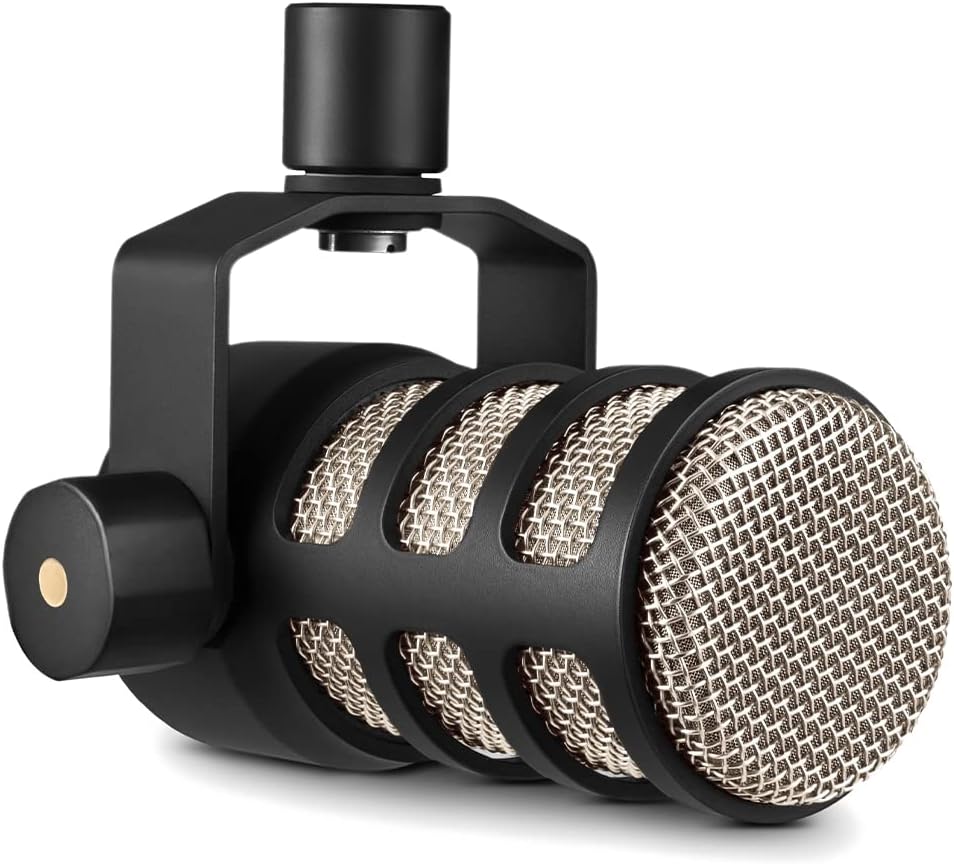
The PodMic is the default first XLR podcast mic: a tight dynamic capsule, an internal pop filter and a swing mount, for around $100. It rejects room noise well and sounds forward on speech, provided the interface can supply enough clean gain.
Best for: first XLR podcast rigs where budget goes to the interface instead - $99-129
Shure MV7X
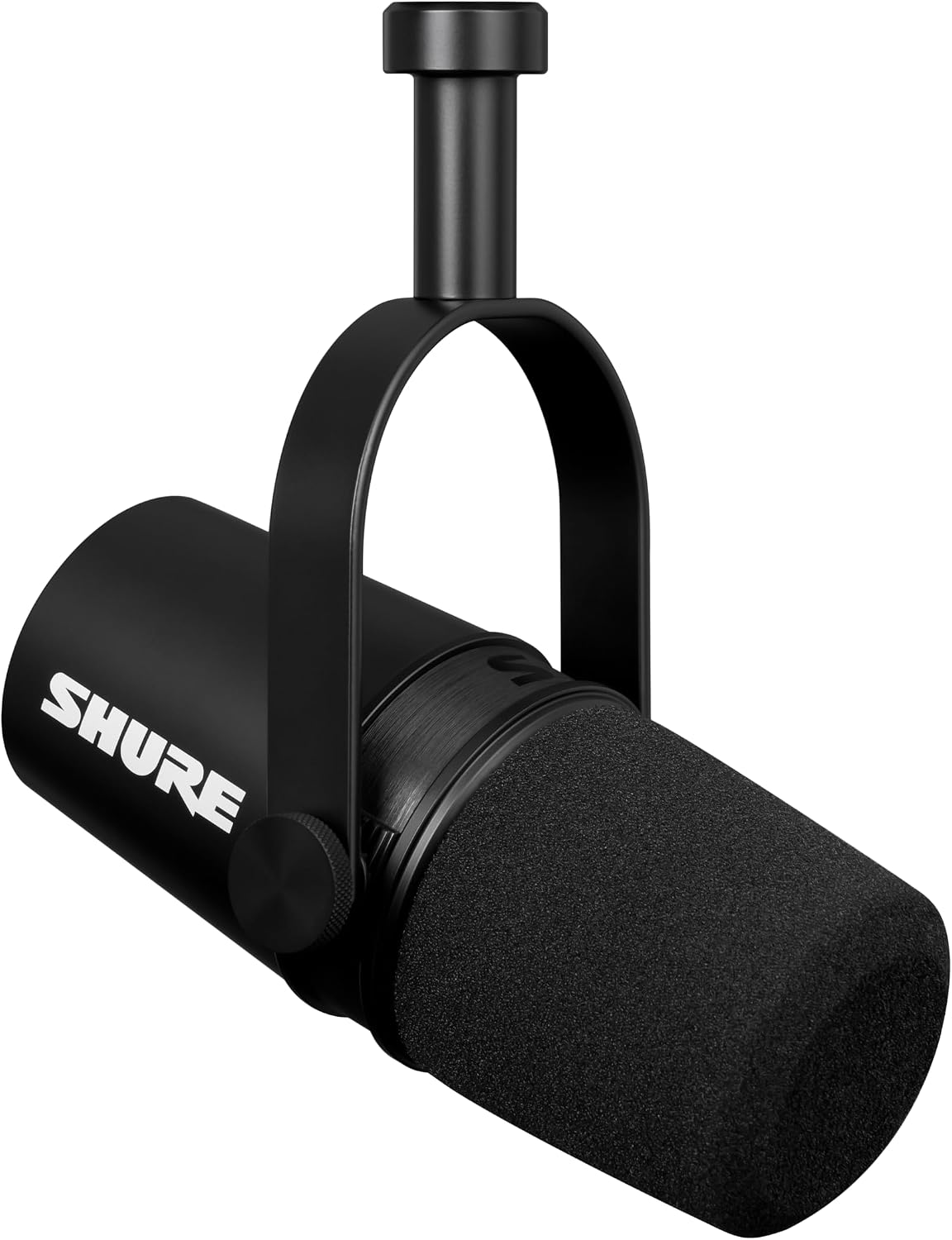
The MV7X is the MV7 without the USB electronics: same voice-forward capsule, XLR only, roughly half the price. It is the right buy for someone who already owns an interface and does not want to pay for a USB port they will never use.
Best for: interface owners who want MV7 voicing without paying for USB - $199-229
Audio-Technica AT2040
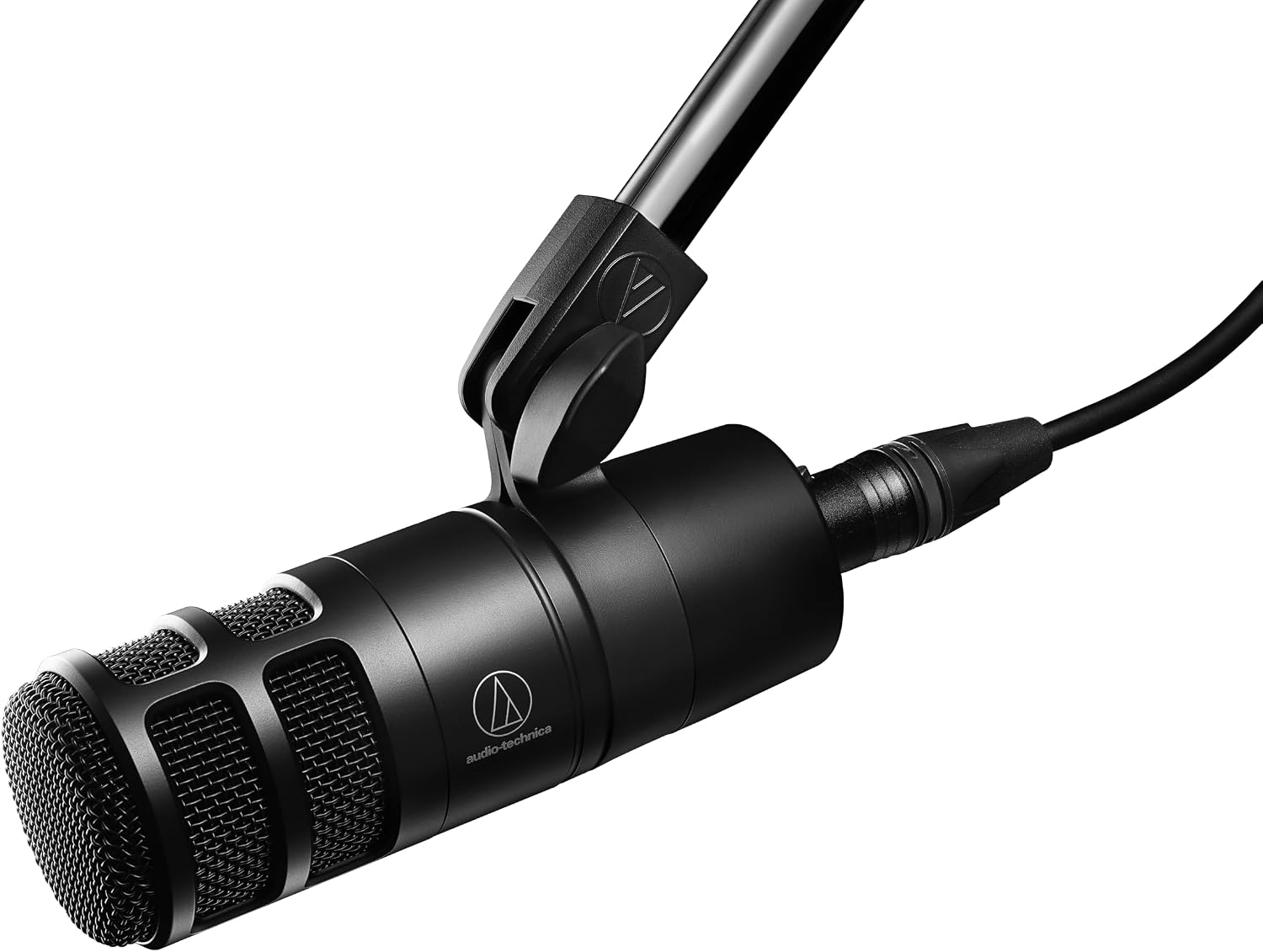
A hypercardioid dynamic built for podcast speech, with an internal shock mount and pop filter in the body. The tighter pattern than cardioid makes it the better choice for a shared room, at the cost of needing to stay centred.
Best for: shared rooms and co-hosted shows that need tighter rejection - $99-129
Also considered
We compared 5 products. Electro-Voice RE20 won overall — the rest are strong in narrower niches:
- Shure SM7B — untreated rooms and loud voices that need broadcast-style rejection (4/6 reviewers)
- Rode PodMic — first XLR podcast rigs where budget goes to the interface instead (4/6 reviewers)
- Shure MV7X — interface owners who want MV7 voicing without paying for USB (3/6 reviewers)
- Audio-Technica AT2040 — shared rooms and co-hosted shows that need tighter rejection (2/6 reviewers)
📖 Confused by the specs? Plain-English explanations
❓ Frequently Asked Questions
Why is the Electro-Voice RE20 our top pick?
Our Pick: Electro-Voice RE20
The RE20 is the only mic here that solves the problem broadcast studios actually have: hosts move, and a variable-D design keeps the bass consistent as they lean in or turn to a co-host. Reviewers who tested it against the SM7B describe the same room rejection with less proximity handling, and its reputation for surviving decades in daily studio use is repeated in every long-term account.
$449-499
🔍 We're manually verifying this product's purchase link — check back soon.