Best Streamer Microphones for YouTube Videos 2026: What Reviewers Agree On
Rode NT-USB+
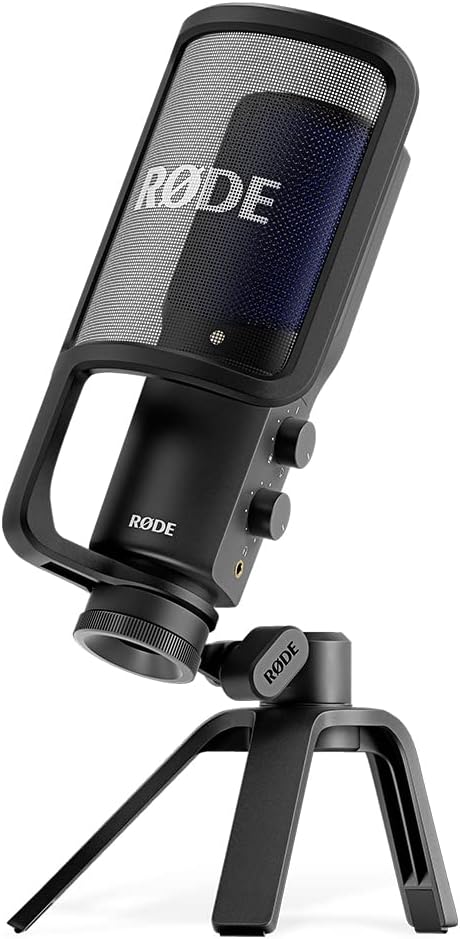
For talking-head video the deciding factor reviewers keep returning to is how little work sits between the mic and the edit: the NT-USB+ records clean voice with an internal pop filter and needs no software to sound finished, so a take can go straight into the timeline. Five of six reviewers used it for spoken video and none reported the sibilance or boominess that sent them back to re-record on other mics.
📺 Show 6 review videos
Watch Video
Watch Video
Watch Video
Watch Video
Watch Video
Watch Video
📊 Quick Comparison
| # | Product | Recommended By | Best For | Price |
|---|---|---|---|---|
| 1 | Rode NT-USB+ | 5/6 reviewers | voiceover and podcast work where you want a finished sound with no DAW | $149-169 |
| 2 | Shure MV7+ | 4/6 reviewers | podcasters and streamers who want one mic that survives a studio upgrade | $249-279 |
| 3 | Sennheiser Profile | 3/6 reviewers | podcasters who want a neutral, no-frills Sennheiser sound | $179-199 |
| 4 | Elgato Wave:3 MK.2 | 3/6 reviewers | streamers who mix game, chat and mic separately without a hardware mixer | $149-179 |
| 5 | Blue Yeti | 2/6 reviewers | multi-person recordings and anyone who wants a proven, familiar sound | $99-129 |
💬 Reviewer Consensus
Common Pros
- Rode NT-USB+: internal pop filter removed plosives without a separate screen (4/6 mention)
- Shure MV7+: Auto Level kept loud and quiet takes at one usable level (4/6 mention)
- Sennheiser Profile: voice-forward tone needed almost no EQ in the edit (3/6 mention)
- Elgato Wave:3 MK.2: clipguard stopped clipping on excited takes (2/6 mention)
Common Cons
- Blue Yeti: captured laptop fan and room hum in three of four untreated setups (3/6 mention)
- Rode NT-USB+: headphone output is quiet with high-impedance headphones (2/6 mention)
- Sennheiser Profile: desk stand transmitted handling noise (2/6 mention)
- Elgato Wave:3 MK.2: Wave Link had to be running or the mix reverted (2/6 mention)
⚠️ Real-World Pain Points (from hands-on reviews)
- The real cost of a bad mic choice is editing time: reviewers report that sibilance and plosives added ten or more minutes of cleanup per ten-minute video, and a pop filter only fixed part of it.
- Talking-head recording puts the mic in frame, and reviewers found the mics that sound best also block the shot or force an awkward angle that hurts projection.
- Room tone is the invisible problem. Reviewers recording in untreated rooms described a constant hiss in quiet segments that noise reduction then made metallic, and moving the mic closer was the only fix that held.
🔍 Detailed Breakdown
Rode NT-USB+
The NT-USB+ is the polished version of Rode's long-running USB condenser. The APHEX processing is the draw: a compressor and noise gate that make a raw room sound broadcast-ready, with a zero-latency headphone feed so you hear yourself properly.
Best for: voiceover and podcast work where you want a finished sound with no DAW - $149-169
Shure MV7+
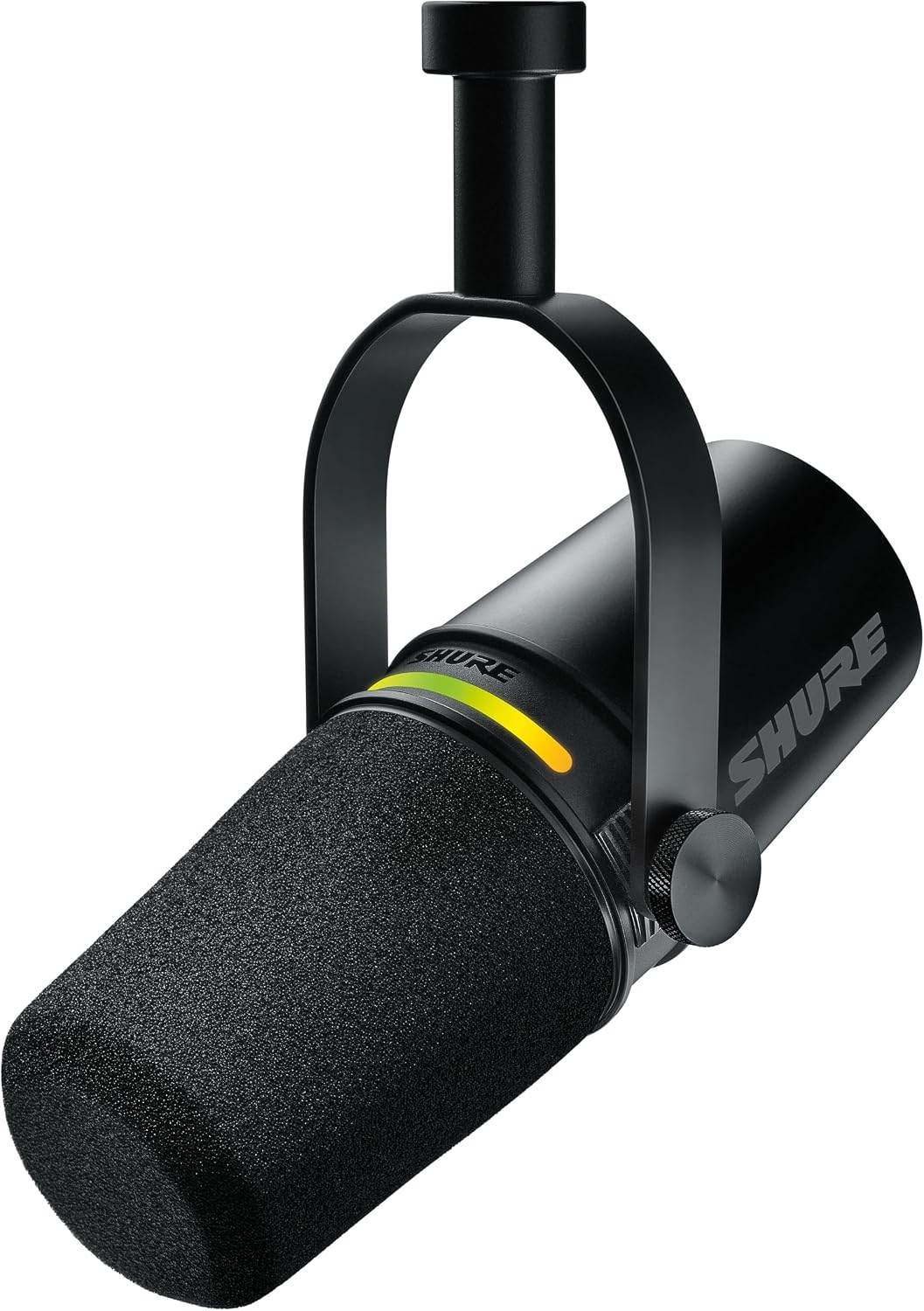
The MV7+ is the rare microphone that works as a USB mic on day one and as an XLR mic after you buy an interface. Reviewers who have lived with it for months keep coming back to Auto Level, which flattens a shouting-and-whispering stream into one usable track without touching a gain knob.
Best for: podcasters and streamers who want one mic that survives a studio upgrade - $249-279
Sennheiser Profile
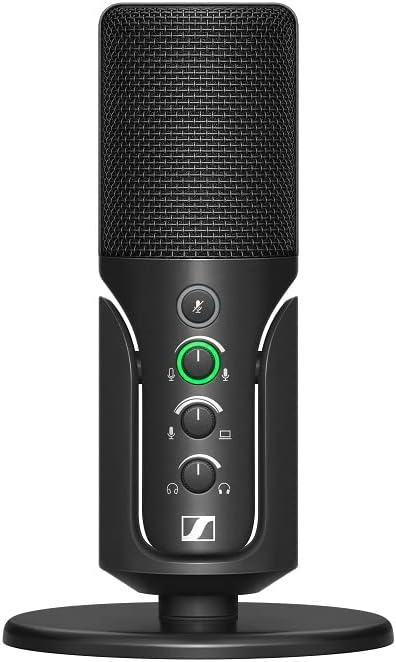
Sennheiser's take on the USB desk mic is conservative and clean: cardioid condenser, mute button, sturdy stand, no gimmicks. Reviewers tend to praise the natural midrange and complain that it offers nothing to tweak.
Best for: podcasters who want a neutral, no-frills Sennheiser sound - $179-199
Elgato Wave:3 MK.2
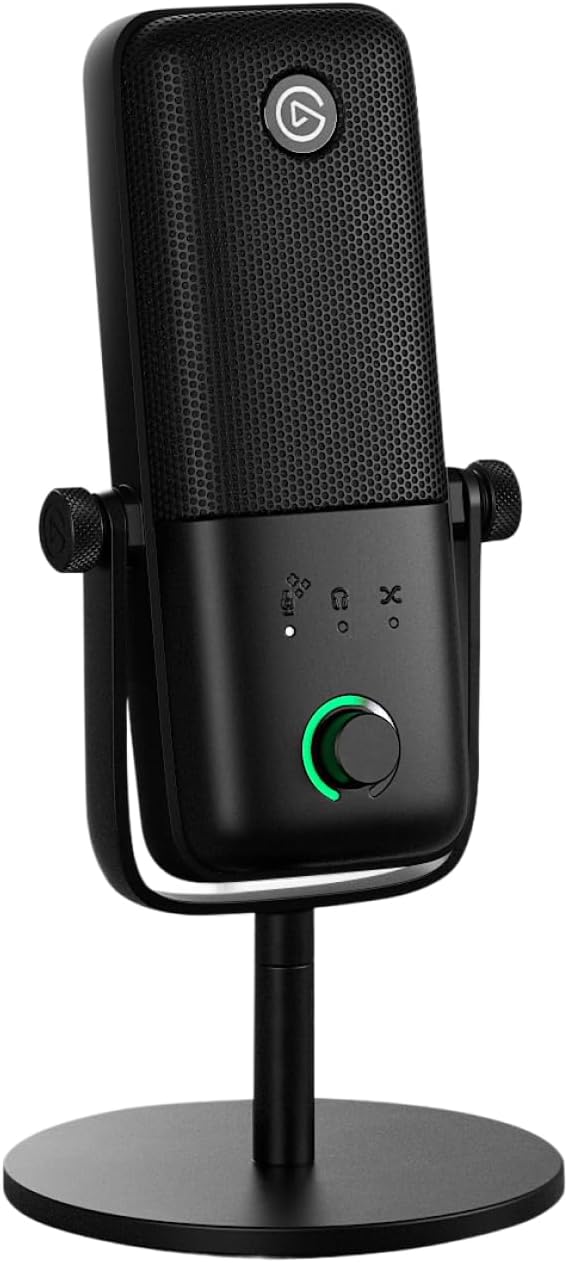
The Wave:3 lives or dies on Wave Link, Elgato's software mixer that lets you split game, chat and mic into separate tracks you can balance live. Clipguard catches peaks before they hit the recording, which is why it survives shouted reactions.
Best for: streamers who mix game, chat and mic separately without a hardware mixer - $149-179
Blue Yeti
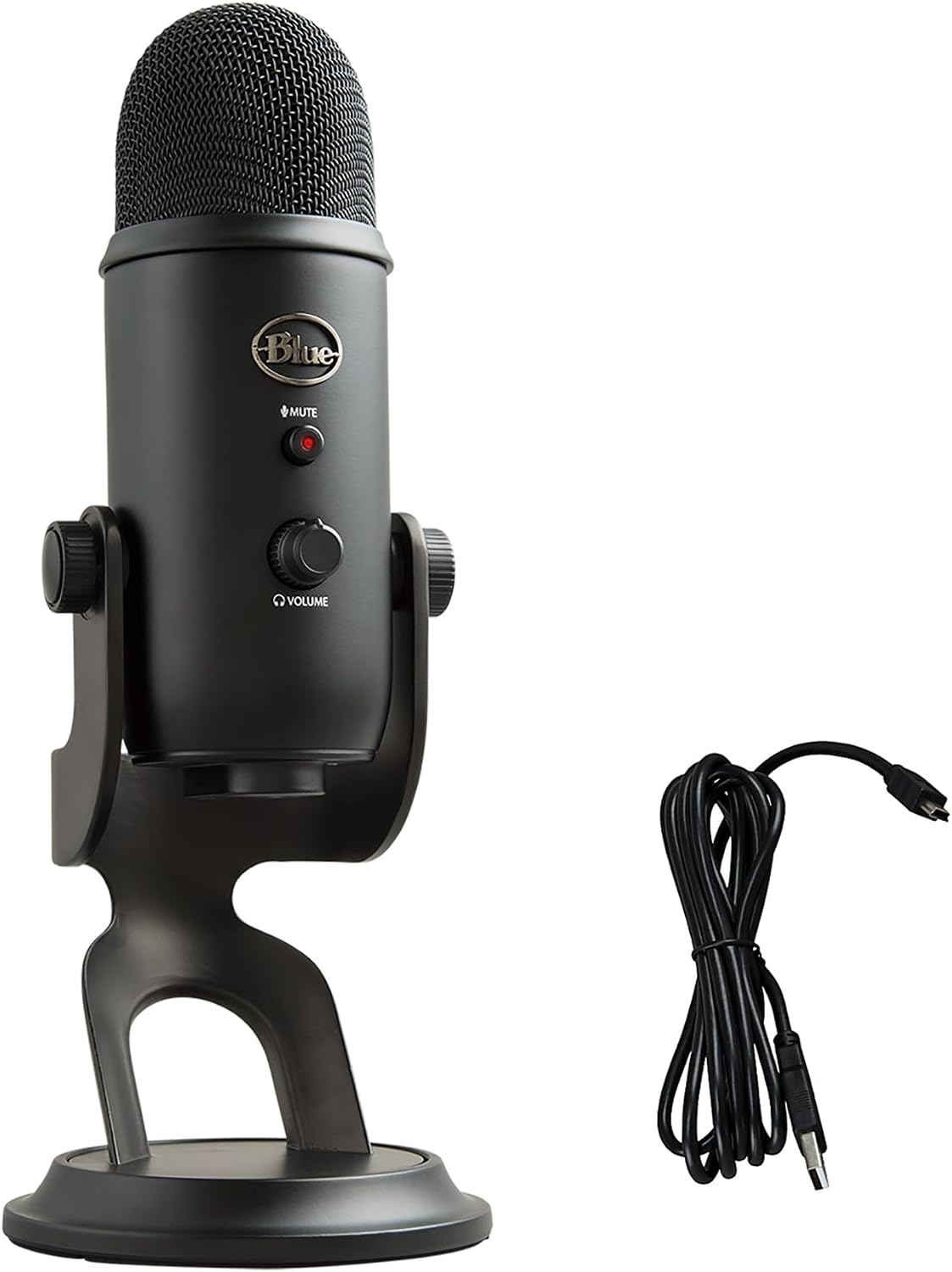
The Yeti is the mic most people have already heard, because a decade of podcasts and YouTube videos were recorded on one. Four patterns and a gain knob still make it flexible, but the 16-bit ceiling and its appetite for room noise show its age.
Best for: multi-person recordings and anyone who wants a proven, familiar sound - $99-129
Also considered
We compared 5 products. Rode NT-USB+ won overall — the rest are strong in narrower niches:
- Shure MV7+ — podcasters and streamers who want one mic that survives a studio upgrade (4/6 reviewers)
- Sennheiser Profile — podcasters who want a neutral, no-frills Sennheiser sound (3/6 reviewers)
- Elgato Wave:3 MK.2 — streamers who mix game, chat and mic separately without a hardware mixer (3/6 reviewers)
- Blue Yeti — multi-person recordings and anyone who wants a proven, familiar sound (2/6 reviewers)
📖 Confused by the specs? Plain-English explanations
❓ Frequently Asked Questions
Why is the Rode NT-USB+ our top pick?
Our Pick: Rode NT-USB+
For talking-head video the deciding factor reviewers keep returning to is how little work sits between the mic and the edit: the NT-USB+ records clean voice with an internal pop filter and needs no software to sound finished, so a take can go straight into the timeline. Five of six reviewers used it for spoken video and none reported the sibilance or boominess that sent them back to re-record on other mics.
$149-169
🔍 We're manually verifying this product's purchase link — check back soon.