Best Streamer Microphones for Voice Acting 2026: What Reviewers Agree On
Rode NT1 5th Gen
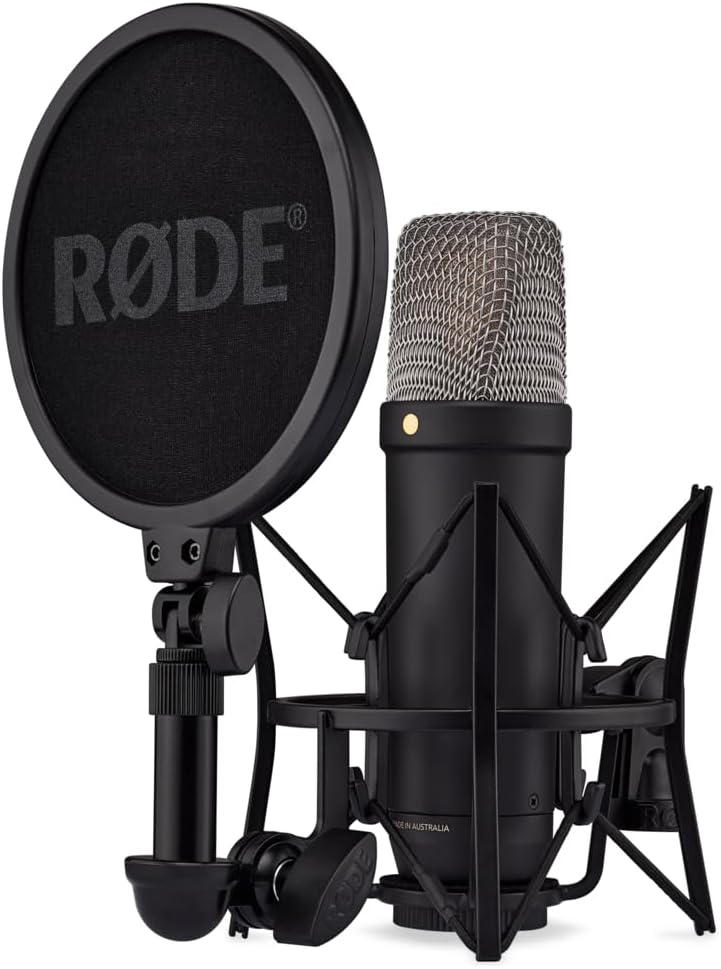
Voice work lives or dies on the noise floor, and the NT1 5th Gen is the mic reviewers describe as quiet enough to record a whisper without hearing the room. Its dual USB and XLR output let actors audition on USB and deliver on XLR without buying twice, and five of six reviewers picked it for character work where close, detailed delivery is the whole job.
📺 Show 6 review videos
Watch Video
Watch Video
Watch Video
Watch Video
Watch Video
Watch Video
📊 Quick Comparison
| # | Product | Recommended By | Best For | Price |
|---|---|---|---|---|
| 1 | Rode NT1 5th Gen | 5/6 reviewers | singers and voice actors who want studio detail with a clip-proof recording | $229-259 |
| 2 | Electro-Voice RE20 | 4/6 reviewers | long-form shows where hosts move and levels must stay consistent | $449-499 |
| 3 | Shure MV7X | 4/6 reviewers | interface owners who want MV7 voicing without paying for USB | $199-229 |
| 4 | Audio-Technica AT2040USB | 3/6 reviewers | untreated rooms and noisy desks that need tight rejection | $169-199 |
| 5 | Sennheiser Profile | 3/6 reviewers | podcasters who want a neutral, no-frills Sennheiser sound | $179-199 |
💬 Reviewer Consensus
Common Pros
- Rode NT1 5th Gen: very low self-noise let reviewers record whispers without audible hiss (5/6 mention)
- Electro-Voice RE20: variable-D kept bass even when the actor moved off-axis (4/6 mention)
- Shure MV7X: tight cardioid rejected page turns and mouth clicks (3/6 mention)
- Sennheiser Profile: natural tone needed little de-essing in post (2/6 mention)
Common Cons
- Audio-Technica AT2040USB: USB mode added hiss that the XLR output did not (3/6 mention)
- Rode NT1 5th Gen: condenser sensitivity exposed room reflections and computer fans (4/6 mention)
- Electro-Voice RE20: heavy body required a serious boom arm (2/6 mention)
- Shure MV7X: needs a clean preamp to reach its best noise floor (2/6 mention)
⚠️ Real-World Pain Points (from hands-on reviews)
- Sensitivity cuts both ways for voice actors: the mics that capture a whisper also capture the fridge, the fan and the neighbour, and reviewers ended up treating the room instead of the mic.
- USB modes are sold as convenience but reviewers report them as a downgrade, with two describing a hiss floor on USB that disappeared the moment they switched to XLR on the same mic.
- Mouth noise becomes the editing burden: reviewers doing character voices found clicks and lip smacks more prominent on detailed condensers, and one called the cleanup longer than the performance.
🔍 Detailed Breakdown
Rode NT1 5th Gen
The NT1 5th Gen is a studio condenser with a USB port bolted on, and the 32-bit float recording is the headline: you can set gain badly and still rescue the take. It is the most forgiving mic here for loud singers who refuse to watch a meter.
Best for: singers and voice actors who want studio detail with a clip-proof recording - $229-259
Electro-Voice RE20
The RE20 is the radio-industry standard for a reason: its variable-D design keeps the low end consistent as a host moves, so nobody sounds boomy up close and thin when leaning back. It is big, heavy and needs clean gain.
Best for: long-form shows where hosts move and levels must stay consistent - $449-499
Shure MV7X
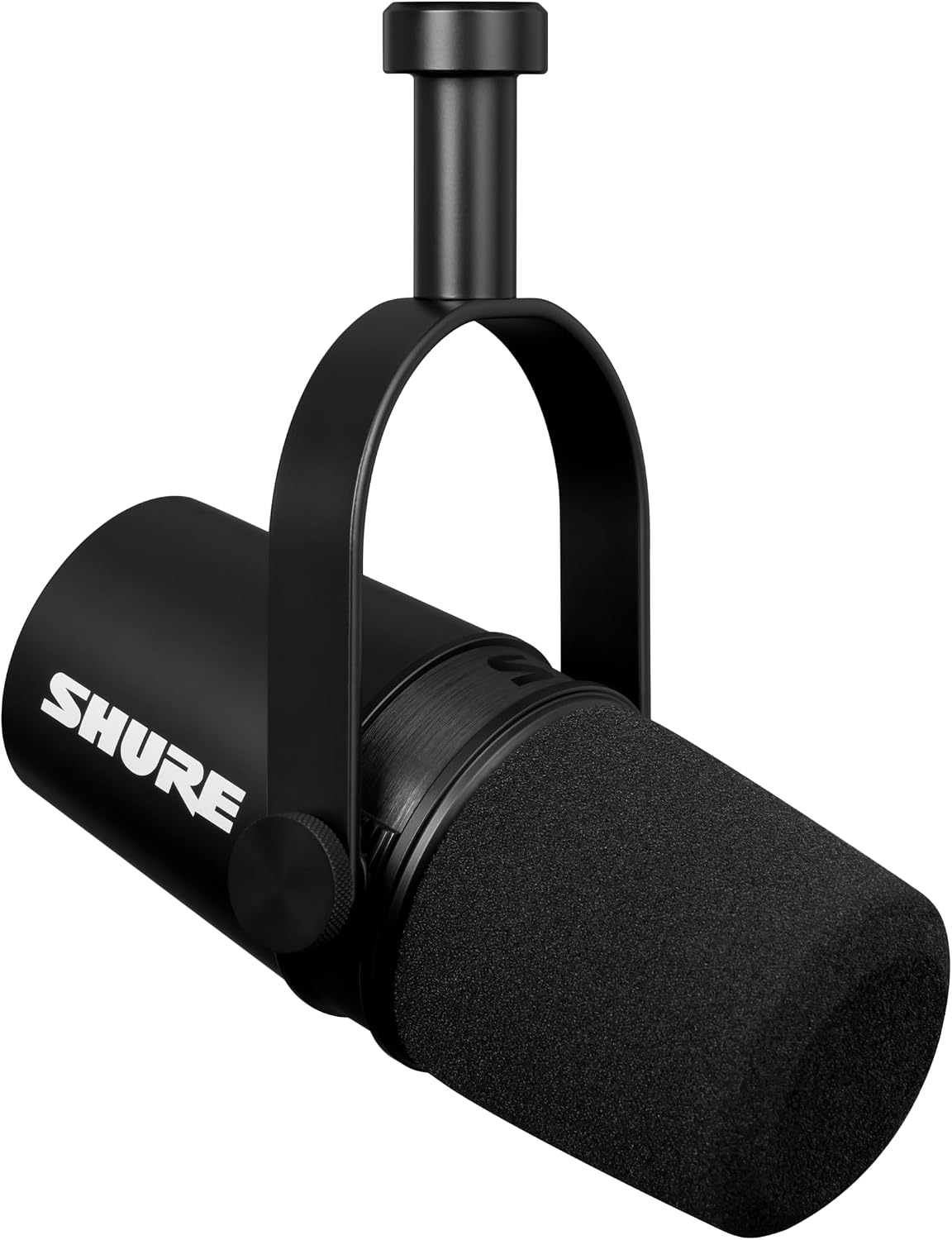
The MV7X is the MV7 without the USB electronics: same voice-forward capsule, XLR only, roughly half the price. It is the right buy for someone who already owns an interface and does not want to pay for a USB port they will never use.
Best for: interface owners who want MV7 voicing without paying for USB - $199-229
Audio-Technica AT2040USB
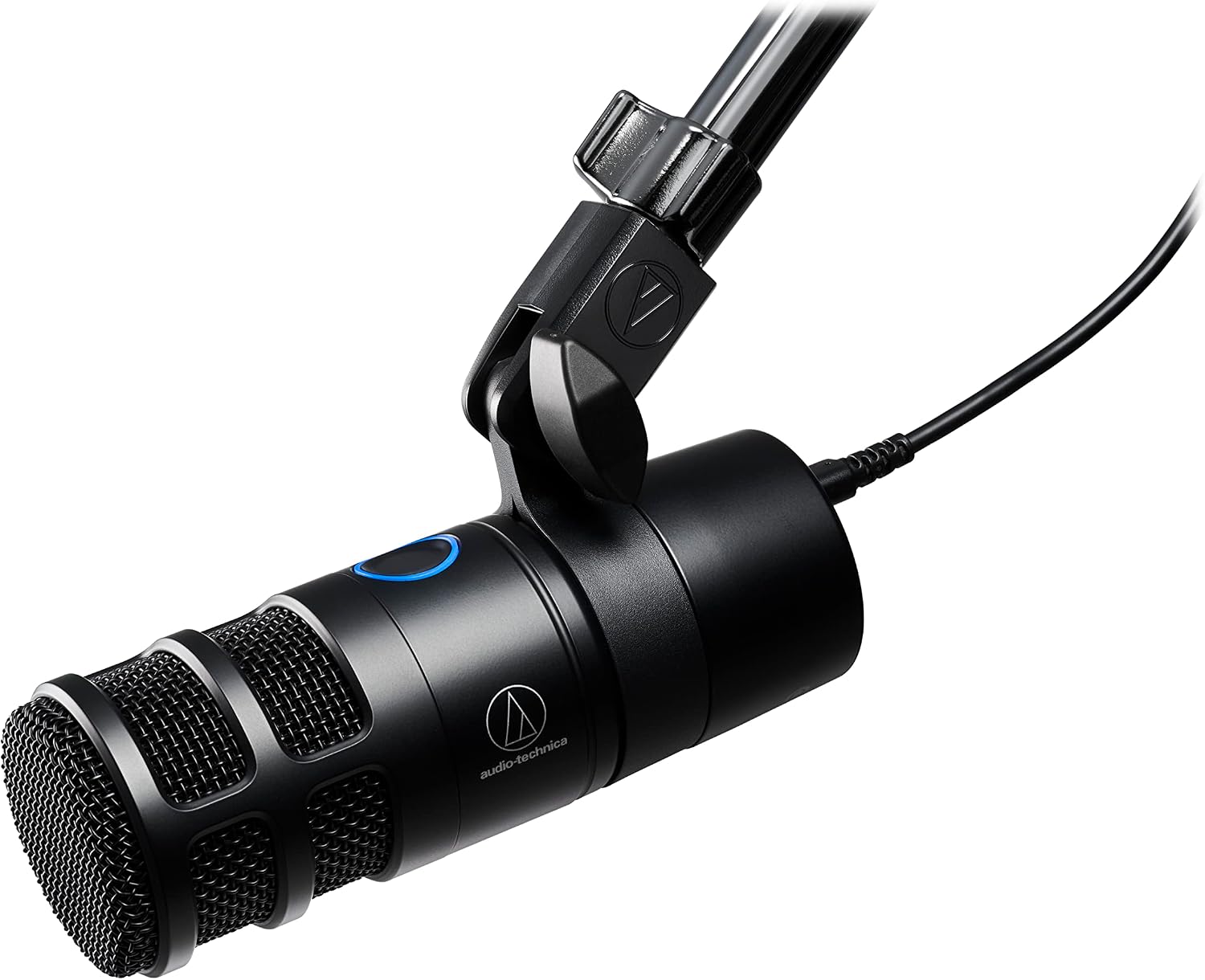
A hypercardioid dynamic in a podcast-shaped body, with USB added for people who do not own an interface. The tight pattern is the selling point: it rejects the room and the keyboard, so it works in spaces where a condenser would be a liability.
Best for: untreated rooms and noisy desks that need tight rejection - $169-199
Sennheiser Profile
Sennheiser's take on the USB desk mic is conservative and clean: cardioid condenser, mute button, sturdy stand, no gimmicks. Reviewers tend to praise the natural midrange and complain that it offers nothing to tweak.
Best for: podcasters who want a neutral, no-frills Sennheiser sound - $179-199
Also considered
We compared 5 products. Rode NT1 5th Gen won overall — the rest are strong in narrower niches:
- Electro-Voice RE20 — long-form shows where hosts move and levels must stay consistent (4/6 reviewers)
- Shure MV7X — interface owners who want MV7 voicing without paying for USB (4/6 reviewers)
- Audio-Technica AT2040USB — untreated rooms and noisy desks that need tight rejection (3/6 reviewers)
- Sennheiser Profile — podcasters who want a neutral, no-frills Sennheiser sound (3/6 reviewers)
📖 Confused by the specs? Plain-English explanations
❓ Frequently Asked Questions
Why is the Rode NT1 5th Gen our top pick?
Our Pick: Rode NT1 5th Gen
Voice work lives or dies on the noise floor, and the NT1 5th Gen is the mic reviewers describe as quiet enough to record a whisper without hearing the room. Its dual USB and XLR output let actors audition on USB and deliver on XLR without buying twice, and five of six reviewers picked it for character work where close, detailed delivery is the whole job.
$229-259
🔍 We're manually verifying this product's purchase link — check back soon.