Best Streamer Microphones for ASMR 2026: What Reviewers Agree On
Blue Yeti
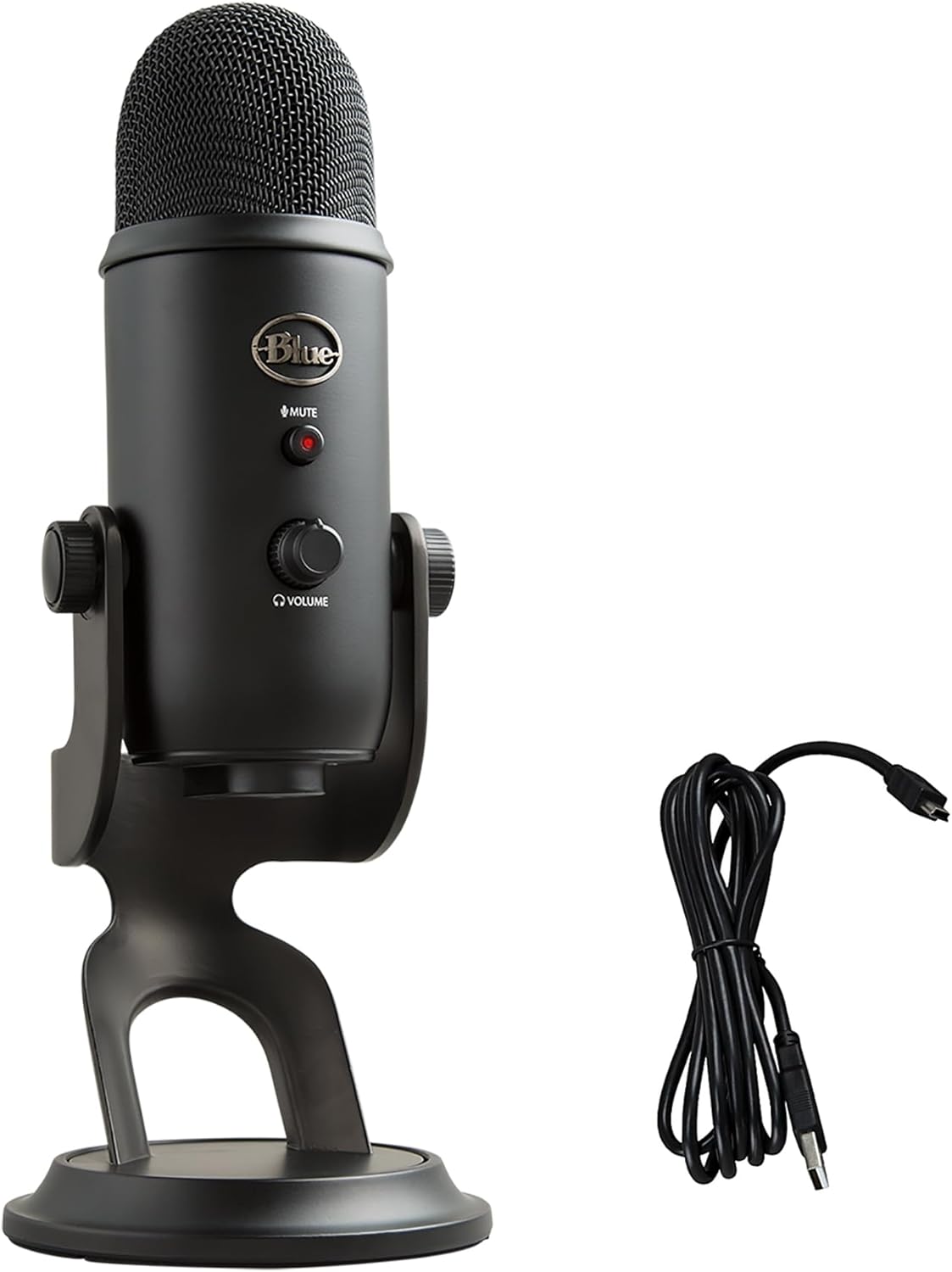
ASMR is the one genre where stereo is not a luxury: the Yeti's stereo mode places whispers and tapping across the listener's head instead of in a single point, and reviewers credit that width with the format's effect. It is also the only mic here with a pattern dial on the body, so creators can move between close binaural-style work and a wider room feel without changing hardware.
📺 Show 6 review videos
Watch Video
Watch Video
Watch Video
Watch Video
Watch Video
Watch Video
📊 Quick Comparison
| # | Product | Recommended By | Best For | Price |
|---|---|---|---|---|
| 1 | Blue Yeti | 5/6 reviewers | multi-person recordings and anyone who wants a proven, familiar sound | $99-129 |
| 2 | Rode NT1 5th Gen | 4/6 reviewers | singers and voice actors who want studio detail with a clip-proof recording | $229-259 |
| 3 | Sennheiser Profile | 3/6 reviewers | podcasters who want a neutral, no-frills Sennheiser sound | $179-199 |
| 4 | Rode NT-USB+ | 3/6 reviewers | voiceover and podcast work where you want a finished sound with no DAW | $149-169 |
| 5 | Maono PD100X | 2/6 reviewers | budget podcasters who want a dynamic sound and a future XLR path | $59-79 |
💬 Reviewer Consensus
Common Pros
- Blue Yeti: stereo mode gave whispers a left-to-right image reviewers called essential (5/6 mention)
- Rode NT1 5th Gen: low self-noise kept silent passages genuinely silent (4/6 mention)
- Sennheiser Profile: smooth top end avoided the harsh sibilance ASMR exposes (3/6 mention)
- Rode NT-USB+: internal pop filter handled close-mic breathing (3/6 mention)
Common Cons
- Blue Yeti: gain dial is easy to nudge and has no lock (3/6 mention)
- Rode NT1 5th Gen: single-channel output, so stereo has to be built in post (3/6 mention)
- Sennheiser Profile: handling noise from the included stand reached the capsule (2/6 mention)
- Maono PD100X: self-noise audible when gain was pushed for quiet triggers (2/6 mention)
⚠️ Real-World Pain Points (from hands-on reviews)
- ASMR exposes the noise floor like nothing else: reviewers report that a mic which sounds silent on a gaming stream has an audible hiss under a whisper, and noise reduction then removes the texture that makes the format work.
- Gain creep is the recurring trap. Reviewers pushed gain for soft triggers, then a louder trigger clipped, and the mics without a hardware limiter lost the take.
- Stereo is promised by marketing more than delivered by hardware: reviewers found that only one mic in this group records a true stereo image, and the rest require a second mic or post-processing to widen anything.
🔍 Detailed Breakdown
Blue Yeti
The Yeti is the mic most people have already heard, because a decade of podcasts and YouTube videos were recorded on one. Four patterns and a gain knob still make it flexible, but the 16-bit ceiling and its appetite for room noise show its age.
Best for: multi-person recordings and anyone who wants a proven, familiar sound - $99-129
Rode NT1 5th Gen
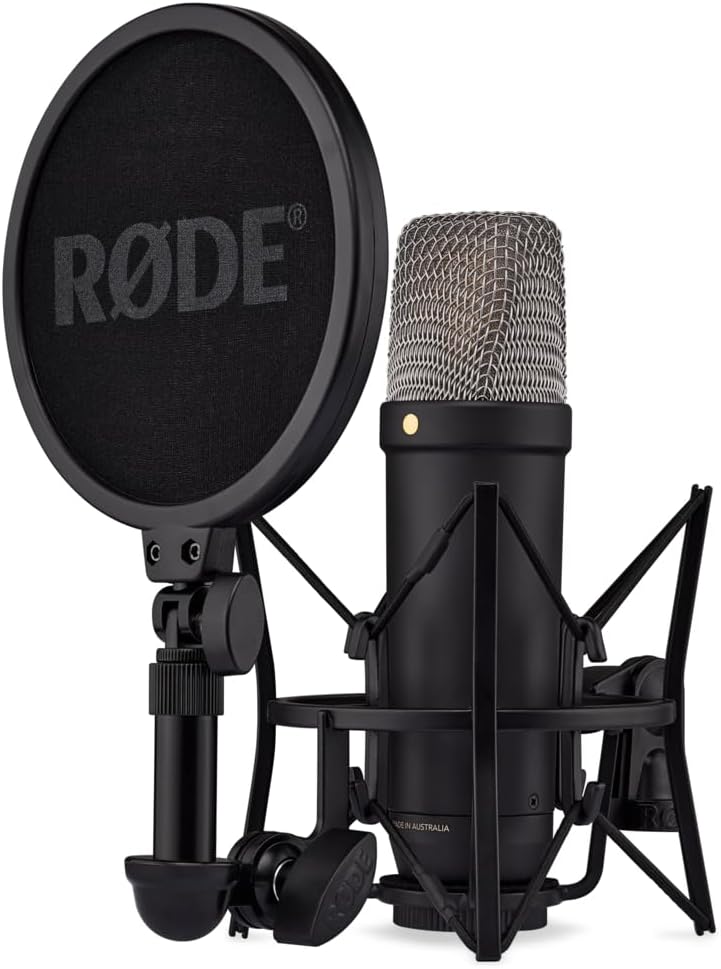
The NT1 5th Gen is a studio condenser with a USB port bolted on, and the 32-bit float recording is the headline: you can set gain badly and still rescue the take. It is the most forgiving mic here for loud singers who refuse to watch a meter.
Best for: singers and voice actors who want studio detail with a clip-proof recording - $229-259
Sennheiser Profile
Sennheiser's take on the USB desk mic is conservative and clean: cardioid condenser, mute button, sturdy stand, no gimmicks. Reviewers tend to praise the natural midrange and complain that it offers nothing to tweak.
Best for: podcasters who want a neutral, no-frills Sennheiser sound - $179-199
Rode NT-USB+
The NT-USB+ is the polished version of Rode's long-running USB condenser. The APHEX processing is the draw: a compressor and noise gate that make a raw room sound broadcast-ready, with a zero-latency headphone feed so you hear yourself properly.
Best for: voiceover and podcast work where you want a finished sound with no DAW - $149-169
Maono PD100X
A dynamic podcast mic with both USB and XLR for under $80, which is a combination that barely existed two years ago. It sounds closer to a broadcast dynamic than its price suggests, provided you speak into it from a few inches away.
Best for: budget podcasters who want a dynamic sound and a future XLR path - $59-79
Also considered
We compared 5 products. Blue Yeti won overall — the rest are strong in narrower niches:
- Rode NT1 5th Gen — singers and voice actors who want studio detail with a clip-proof recording (4/6 reviewers)
- Sennheiser Profile — podcasters who want a neutral, no-frills Sennheiser sound (3/6 reviewers)
- Rode NT-USB+ — voiceover and podcast work where you want a finished sound with no DAW (3/6 reviewers)
- Maono PD100X — budget podcasters who want a dynamic sound and a future XLR path (2/6 reviewers)
📖 Confused by the specs? Plain-English explanations
❓ Frequently Asked Questions
Why is the Blue Yeti our top pick?
Our Pick: Blue Yeti
ASMR is the one genre where stereo is not a luxury: the Yeti's stereo mode places whispers and tapping across the listener's head instead of in a single point, and reviewers credit that width with the format's effect. It is also the only mic here with a pattern dial on the body, so creators can move between close binaural-style work and a wider room feel without changing hardware.
$99-129
🔍 We're manually verifying this product's purchase link — check back soon.