Best 4K Webcams With Low Light Performance 2026: What Reviewers Agree On
Razer Kiyo Pro Ultra
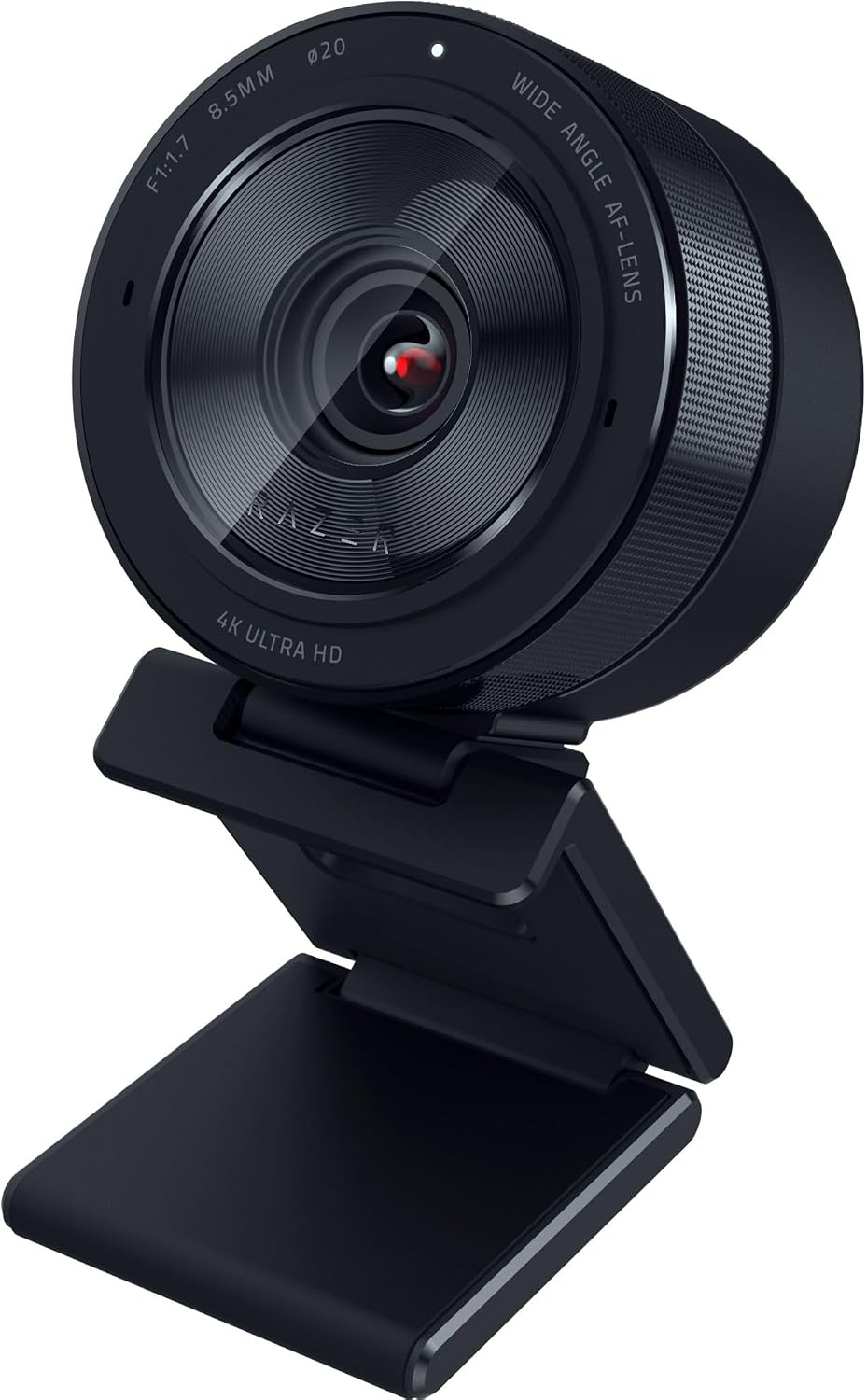
Low-light performance is optics before it is software, and this camera wins on optics: a 1/1.2-inch Sony STARVIS 2 sensor behind an f/1.7 lens, the largest sensor and the fastest aperture in this roundup. Engadget says the lens lets in a ton of light, which is the whole mechanism by which a webcam stays clean when the room goes dark. Tom's Hardware named it its best image quality pick and found it did pretty well in its monitor-light-only low-light test once settings were tweaked, and CNET still rates the image among the best it has seen. The penalty is ergonomic rather than optical: Tom's Hardware calls Razer Synapse the worst software it tested because the preview must stay open to change anything, and Engadget notes Synapse is Windows-only and the camera is almost too big.
📺 Show 6 review videos
Watch Video
Watch Video
Watch Video
Watch Video
Watch Video
Watch Video
📊 Quick Comparison
| # | Product | Recommended By | Best For | Price |
|---|---|---|---|---|
| 1 | Razer Kiyo Pro Ultra | 2/6 reviewers | Streamers who want the biggest sensor and natural background blur, whatever the cost | $300-400 |
| 2 | Insta360 Link 2 Pro | 1/6 reviewers | The best all-round low-light image once white balance and tracking are factored in | $210-250 |
| 3 | OBSBOT Tiny 3 | 1/6 reviewers | Movement and tracking in moderate light, less so in genuinely dark rooms | $309-349 |
| 4 | Logitech MX Brio | 1/6 reviewers | Dim rooms where HDR tone mapping matters more than sensor size | $170-200 |
| 5 | Elgato Facecam 4K | 1/6 reviewers | Controlled setups where you light the scene and want manual exposure control | $159-199 |
💬 Reviewer Consensus
Common Pros
- Sensor size and aperture are finally differentiating webcams, with the top pick pairing a 1/1.2-inch sensor to an f/1.7 lens.
- HDR tone mapping gives smaller sensors a credible alternative to brute-force optics in dim rooms.
- Manual shutter, ISO and white balance control has returned, so exposure can be dialled in rather than guessed at.
- The better cameras here keep white balance stable as light drops, which matters more for video calls than peak brightness.
Common Cons
- Every camera in this list still benefits from a light source, and the slowest lens here is openly described as grainy.
- Default exposure is frequently wrong for dim rooms, with reviewers reporting overexposure or crushed blacks out of the box.
- The software needed to fix exposure is the most criticised part of the experience across outlets.
- Cost climbs steeply for the largest sensors, and one reviewer argues a cheaper model covers most of the same ground.
⚠️ Real-World Pain Points (from hands-on reviews)
- Aperture beats megapixels, and the specs rarely say so. The Kiyo Pro Ultra's f/1.7 lens is why Engadget says it lets in a ton of light, while the Facecam 4K's f/4 fixed-focus lens produced what one reviewer called a very grainy image, and both are 4K cameras, so resolution tells you almost nothing about how either behaves after dark.
- Defaults are wrong for the exact conditions you bought the camera for. Wired found the Tiny 3 overexposed out of the box and preferred the Insta360 cameras in low light, WIRED says the MX Brio crushes blacks, and Tom's Hardware needed to tweak settings before the Kiyo Pro Ultra performed, so every one of these requires manual correction before it is usable in a dark room.
- The software that fixes exposure is the weakest link. Tom's Hardware calls Razer Synapse the worst because the preview must remain open to change settings, and Engadget notes it is Windows-only, which means the tool you need most in a dim room is the one reviewers like least.
🔍 Detailed Breakdown
Razer Kiyo Pro Ultra
The optical winner. Tom's Hardware made it its best image quality pick and Engadget its best streaming webcam, and both point at the same cause: a 1/1.2-inch sensor, the largest here, behind an f/1.7 lens that Engadget says lets in a ton of light. In Tom's Hardware's monitor-light-only low-light test it did pretty well once settings were adjusted, and CNET still ranks its image among the best it has seen. Living with it is harder than shooting with it. Tom's Hardware calls Razer Synapse the worst because the in-app preview must stay open to change settings, Engadget notes Synapse is Windows-only, and the body is almost too big for a monitor bezel.
Best for: Streamers who want the biggest sensor and natural background blur, whatever the cost - $300-400
Insta360 Link 2 Pro
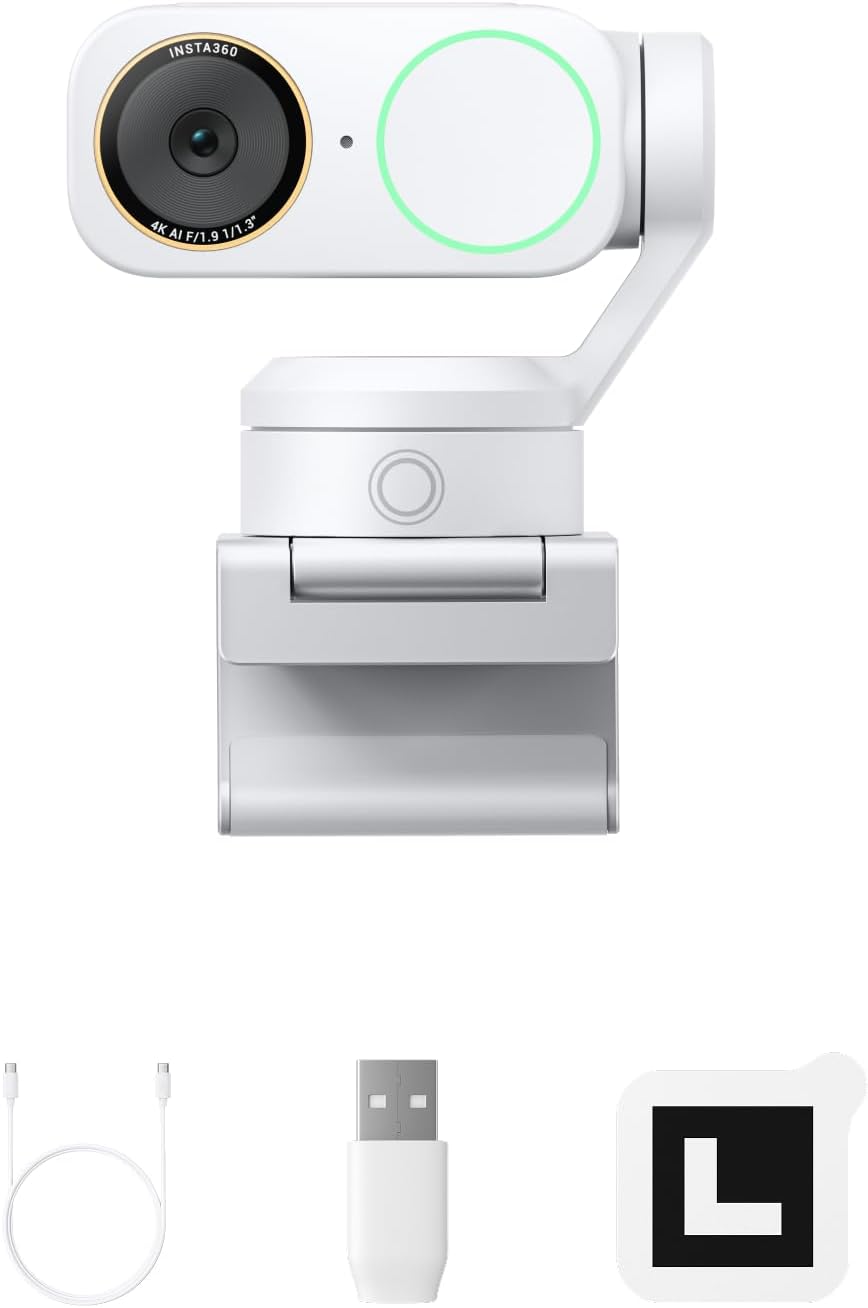
Wirecutter's upgrade pick and the camera it rates as the best mix of low-light image, white balance and tracking that it tested. That combination matters more than raw aperture: a camera that stays correctly coloured as light drops is more usable than one that is merely brighter. Its mic also sounded nearly as clear as a lavalier from over an arm's length away, which removes a second purchase. The weaknesses are physical: Wirecutter found it feels more fragile than other webcams, DeskView needed software tilt correction to aim at the keyboard rather than the reviewer's lap, and the cheaper Link 2 covers most of the same ground.
Best for: The best all-round low-light image once white balance and tracking are factored in - $210-250
OBSBOT Tiny 3
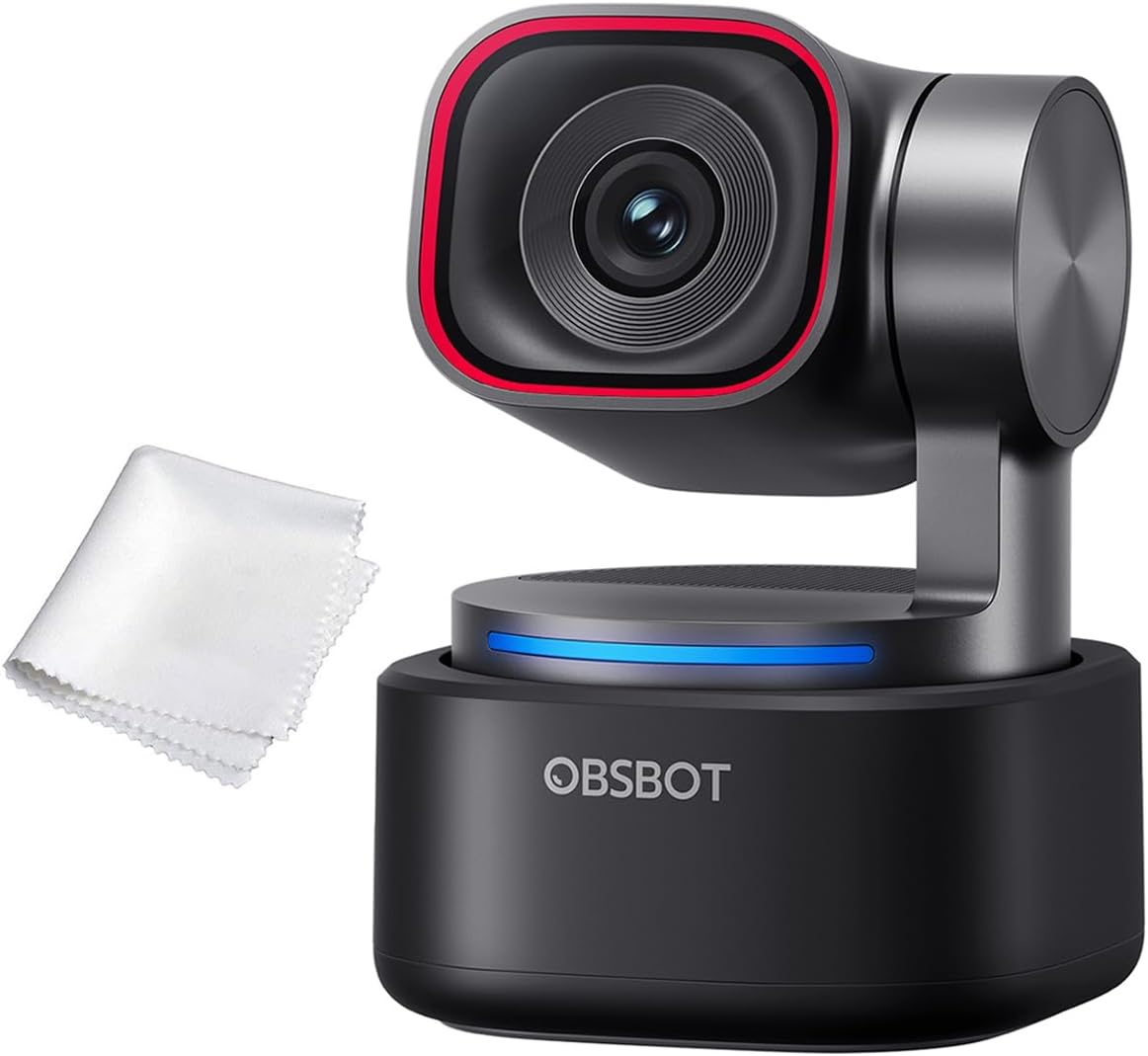
PCMag's best webcam overall at 4.5/5, and the pick here for anyone who moves while on camera. The AI tracking follows faces, bodies, objects and voice, and Wired found it produced the most natural colour of any webcam it tested. Low light is where the reviews diverge and where this article's focus lands: Wired preferred the Insta360 cameras in dim conditions and found the Tiny 3 overexposed out of the box, so it rewards a manual exposure tweak rather than trusting defaults. All outlets flag the price, and Tom's Guide calls it not a huge upgrade over the Tiny 2.
Best for: Movement and tracking in moderate light, less so in genuinely dark rooms - $309-349
Logitech MX Brio
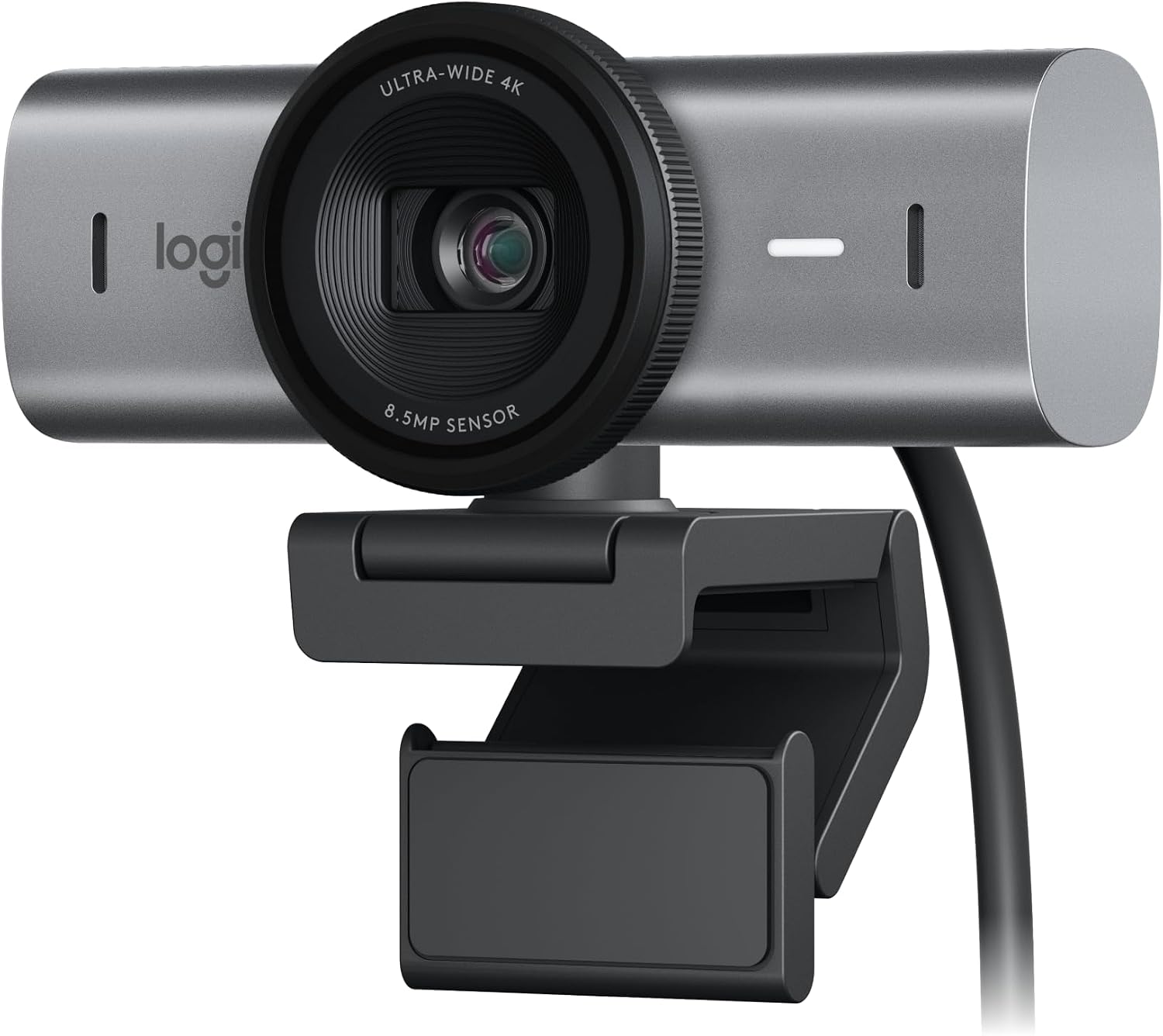
The software-assisted approach to low light. Its sensor is smaller than the Kiyo Pro Ultra's, but Digital Camera World says its HDR handles low-light environments very well indeed, and Engadget's reviewer found the sensitivity a real help in a home office that gets cave-like on a rainy day. CNET names it the best work 4K webcam. The disagreement is about character rather than capability: WIRED says it crushes blacks and would rather have the Insta360 Link 2C Pro for the same money. Tom's Guide found it warm after 30 minutes and heavy at about 174 g.
Best for: Dim rooms where HDR tone mapping matters more than sensor size - $170-200
Elgato Facecam 4K
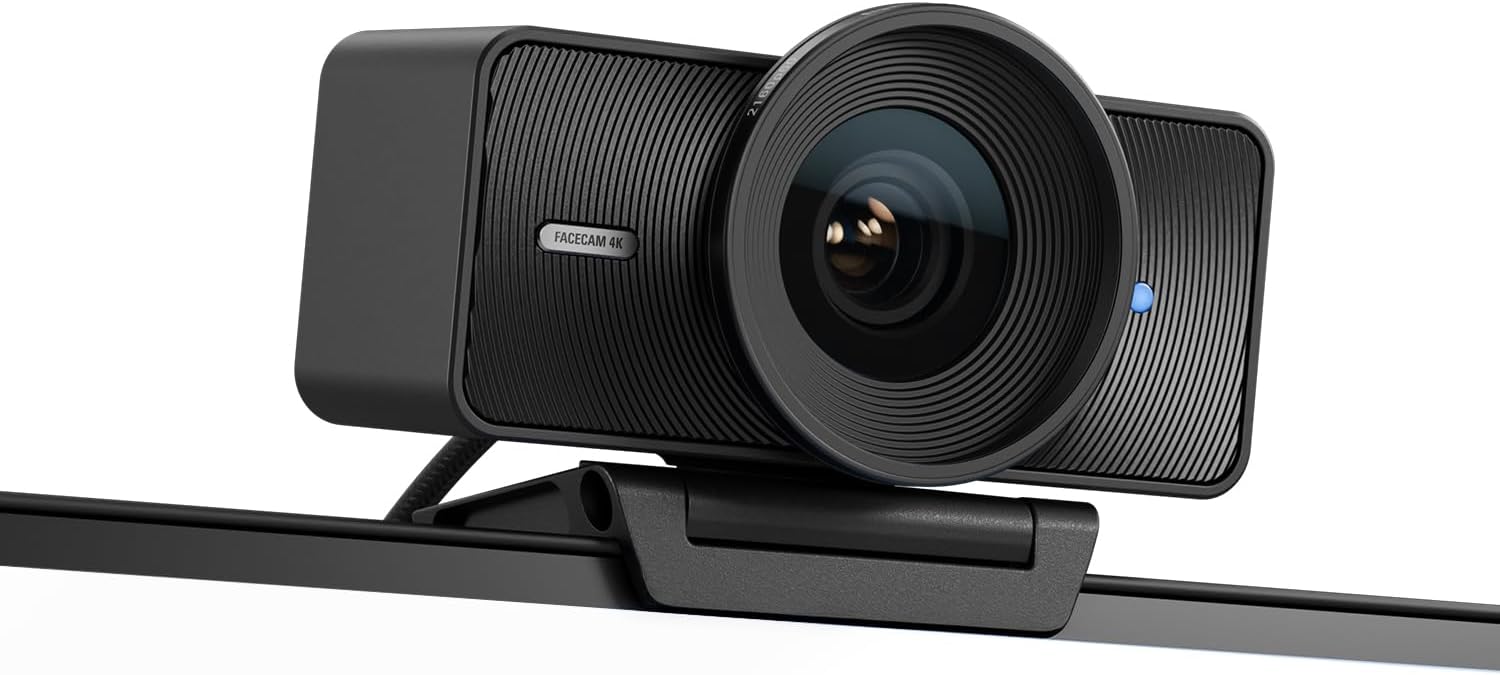
The control-oriented option, and the one to avoid if you cannot light your room. Its f/4 fixed-focus lens is the slowest aperture here, and Stream Tech Reviews found the result very grainy with a view too wide for any bokeh. What it offers instead is manual authority: Notebookcheck praises the extensive manual shutter, ISO and white balance controls and the 49 mm filter thread, and TweakTown scored it 95%, calling it a bridge between webcams and DSLRs. It is the strongest argument in this list that low light is a lighting problem you can also solve with a filter and a lamp.
Best for: Controlled setups where you light the scene and want manual exposure control - $159-199
Also considered
We compared 5 products. Razer Kiyo Pro Ultra won overall — the rest are strong in narrower niches:
- Insta360 Link 2 Pro — The best all-round low-light image once white balance and tracking are factored in (1/6 reviewers)
- OBSBOT Tiny 3 — Movement and tracking in moderate light, less so in genuinely dark rooms (1/6 reviewers)
- Logitech MX Brio — Dim rooms where HDR tone mapping matters more than sensor size (1/6 reviewers)
- Elgato Facecam 4K — Controlled setups where you light the scene and want manual exposure control (1/6 reviewers)
📖 Confused by the specs? Plain-English explanations
❓ Frequently Asked Questions
Why is the Razer Kiyo Pro Ultra our top pick?
Our Pick: Razer Kiyo Pro Ultra
Low-light performance is optics before it is software, and this camera wins on optics: a 1/1.2-inch Sony STARVIS 2 sensor behind an f/1.7 lens, the largest sensor and the fastest aperture in this roundup. Engadget says the lens lets in a ton of light, which is the whole mechanism by which a webcam stays clean when the room goes dark. Tom's Hardware named it its best image quality pick and found it did pretty well in its monitor-light-only low-light test once settings were tweaked, and CNET still rates the image among the best it has seen. The penalty is ergonomic rather than optical: Tom's Hardware calls Razer Synapse the worst software it tested because the preview must stay open to change anything, and Engadget notes Synapse is Windows-only and the camera is almost too big.
$300-400
🔍 We're manually verifying this product's purchase link — check back soon.